
Business • Global Trade • Logistics • Technology
The New Era of International Business: Trade, Technology & Global Opportunities
International business has always been the backbone of the world economy. From historic trade routes that connected Asia, Africa, and Europe
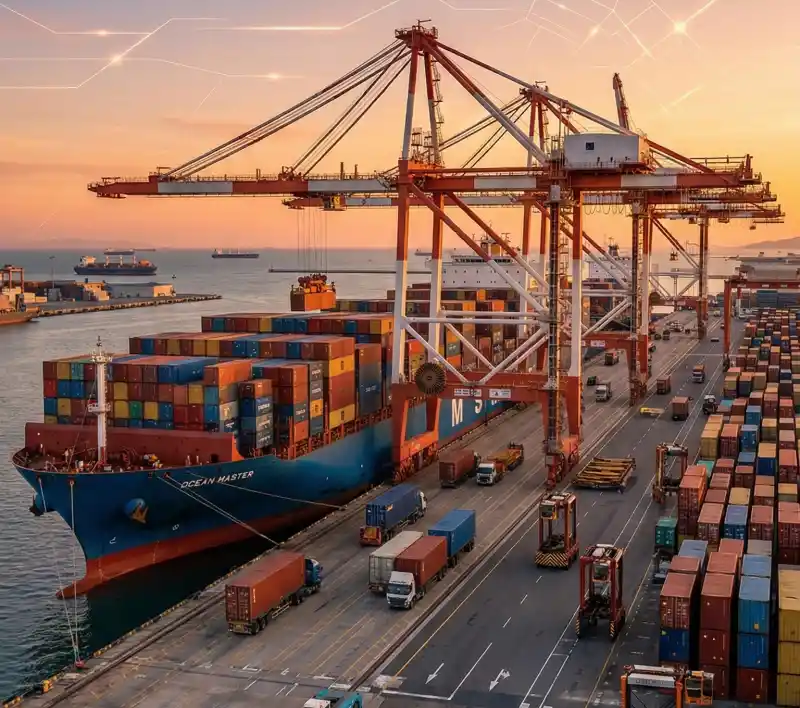
to modern container ships moving goods across oceans, cross-border commerce continues to shape how nations grow, collaborate, and innovate.
But international business today is moving faster than ever. Digital trade, AI-driven decision-making,
and logistics innovation are changing how companies find suppliers, manage shipments, and reach customers worldwide.
In 2026, the biggest winners will be businesses that can combine market understanding, compliance,
and smart execution.
Why international trade matters
International trade allows countries and companies to specialize—producing what they can create most efficiently and importing what they
cannot. That specialization boosts productivity, expands consumer choice, and helps industries scale faster than they could in a single
domestic market.
improve quality, and create consistent growth.
How technology is transforming global business
Technology has removed many of the old barriers to global expansion. Today, a small company can sell internationally through e-commerce,
manage shipments with real-time tracking, and communicate with partners instantly.
What’s changing fast
- Digital sourcing: finding suppliers through platforms and verified networks
- Real-time tracking: shipment visibility and exception alerts
- AI & analytics: forecasting demand, reducing stockouts, optimizing routes
- Online payments: faster settlements and smarter documentation workflows
What this means for businesses
- Better speed and transparency across borders
- Lower coordination costs with partners
- More competition—because everyone can go global
- Higher importance of trust, verification, and compliance
The role of logistics and shipping
Behind every international sale is a chain of logistics: suppliers, inland transport, ports, shipping lines, customs compliance,
and final delivery. Efficient logistics reduces cost, improves delivery time, and protects business reputation.
Container shipping remains one of the most critical engines of world commerce. Ports, freight forwarders, and shipping agents coordinate
documentation, handling, and delivery so that goods can move safely across borders.
| Stage | What happens | Risk to manage |
|---|---|---|
| Supplier & production | Manufacturing, packaging, labeling, quality checks | Quality variation, delays, specification mismatch |
| Export logistics | Inland transport, port handling, export docs | Documentation errors, port congestion, cost overruns |
| Ocean / air freight | Main international transport | Schedule changes, disruption, insurance gaps |
| Import & clearance | Customs declaration, duties/taxes, inspection | Compliance issues, penalties, delays |
| Last-mile delivery | Warehouse, distribution, customer delivery | Damage, service failure, returns handling |
Emerging markets and new demand
Emerging economies in Asia, Africa, and Latin America are reshaping trade. Growing urban populations and rising incomes are creating
demand for better consumer goods, new technology, and stronger infrastructure.
For exporters and traders, this means new opportunities—but success requires local understanding, the right partners, and reliable logistics.
Common challenges in cross-border business
International business offers growth, but it also comes with complexity. Laws, cultures, payment risks, and trade regulations differ across
markets, and small mistakes can become expensive.
Typical challenges
- Regulations, licensing, and customs compliance
- Currency fluctuations and payment terms
- Quality consistency across suppliers
- Political and geopolitical disruptions
- Contract and dispute complexity
How smart companies respond
- Use verified partners and clear documentation
- Define Incoterms, insurance, and responsibilities
- Keep alternative suppliers and routing options
- Invest in transparency: tracking + reporting
- Build compliance into every shipment
Sustainability and the future of trade
Sustainability is no longer optional. Governments and customers increasingly want lower emissions, better transparency, and more responsible
sourcing. Businesses that invest in sustainable practices often gain long-term trust and competitive advantage.
- Greener shipping and logistics planning
- Eco-friendly packaging and sourcing
- Supply chain transparency and responsible vendors
A practical 2026 playbook for companies
If you want to grow internationally, focus on a simple execution framework. You don’t need to be a multinational to be global—you need
a plan that reduces risk and builds trust.
1) Choose 1–2 target markets
2) Validate demand + pricing
3) Select verified suppliers/partners
4) Fix Incoterms + payment terms + insurance
5) Build repeatable logistics + documentation SOP
6) Monitor performance (cost, time, damage, compliance)
FAQ
What is the safest payment method in international trade?
It depends on the relationship and risk level. Many businesses start with secure terms (like partial advance or bank-supported methods),
then improve terms as trust builds. Clear contracts and documentation are essential.
Why do shipments get delayed even after booking?
Common reasons include port congestion, documentation issues, customs holds, weather disruptions, schedule changes, or warehouse capacity.
Strong planning and tracking reduce surprises.
How can small businesses compete globally?
By focusing on one niche, delivering consistent quality, using digital channels, and partnering with reliable logistics providers.
Speed, trust, and execution often beat size.