
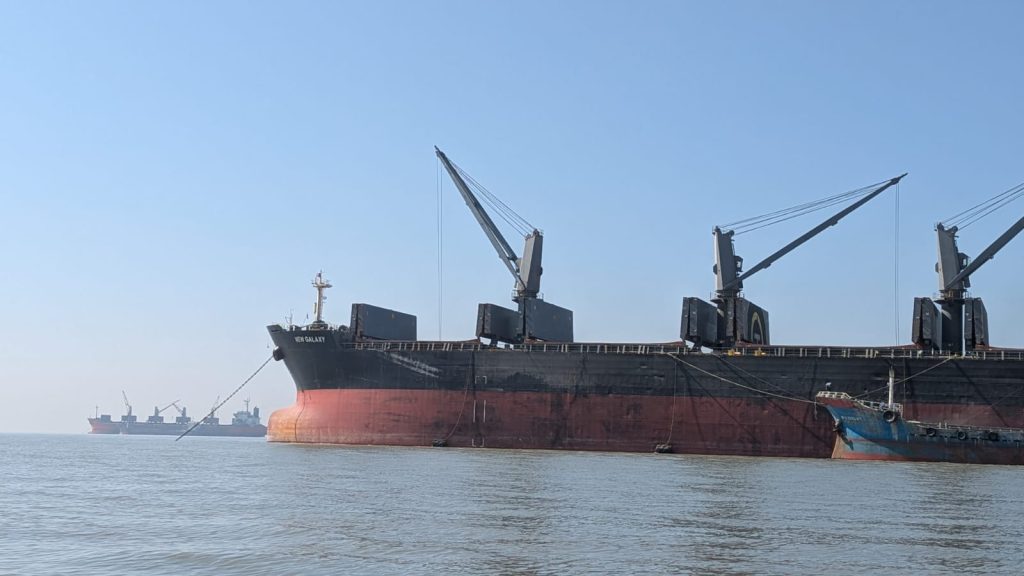
Ship Charterer: The Commercial Force Behind Global Maritime Trade
From freight negotiations to charter party contracts, ship charterers play one of the most influential roles in modern shipping. This detailed feature explains how charterers operate, why they matter, and how they shape cargo movement across the world.
Introduction
In world shipping, ownership of a vessel and commercial use of a vessel are not always the same thing. A ship may belong to one company, be managed by another, and be commercially employed by a third party. In that commercial chain, the ship charterer stands out as one of the most influential actors.
A ship charterer is the party that hires a ship from the owner in order to transport cargo, run trade routes, or secure carrying capacity for a defined voyage or time period. Charterers are often commodity traders, exporters, importers, energy companies, logistics providers, or shipping companies that need tonnage without necessarily owning fleets themselves.
Without charterers, a large part of international trade would move less efficiently. They connect cargo demand with vessel supply, negotiate rates, choose trading patterns, evaluate risks, and make commercial decisions that affect freight markets around the world.
What Is a Ship Charterer?
A ship charterer is a company or individual that enters into a chartering agreement with a shipowner. Through this agreement, the charterer obtains the right to use the vessel for a particular voyage, a defined period, or under a broader operational arrangement. The structure of that right depends on the type of charter contract.
Charterers do not all look the same. Some are major oil companies securing tanker space. Some are grain traders moving agricultural products. Some are industrial importers booking bulk carriers for raw materials. Others are liner operators or logistics groups managing fleet capacity across multiple trade lanes.
Why Charterers Matter in Maritime Trade
The role of a charterer is commercial, strategic, and operational. Charterers influence which vessel carries which cargo, when the ship sails, what route may be commercially attractive, and how freight costs are structured. Because they make market-driven decisions, they often sit close to the center of global shipping economics.
- They match cargo demand with available vessels.
- They negotiate freight rates and major commercial clauses.
- They reduce the need for cargo owners to invest in ship ownership.
- They support flexibility in changing freight markets.
- They help global trade flow even when routes, costs, and risks change rapidly.
Main Types of Chartering
Chartering is generally divided into three major commercial forms. Each gives the charterer a different level of control and responsibility.
1) Voyage Charter
In a voyage charter, the charterer hires the vessel for one specific voyage or cargo movement. The owner remains responsible for the ship’s technical management, crew, and navigation. The charterer usually pays freight for the transportation of cargo from one port to another.
This is common in bulk shipping, where a charterer may move coal, grain, clinker, fertilizer, steel products, or similar cargoes on a single trip basis.
2) Time Charter
In a time charter, the charterer hires the vessel for a defined time period such as three months, six months, or one year. The owner still manages the vessel technically and provides the crew, but the charterer decides the commercial employment of the ship within the limits of the contract.
This means the charterer can direct the vessel to different ports and different cargoes, depending on market opportunities.
3) Bareboat Charter
In a bareboat charter, the charterer takes over the vessel almost like a long-term lessee. The charterer assumes much greater operational and technical responsibility, often including crew, insurance, and management. This form is more extensive and is closer to leasing the vessel itself.
Key Responsibilities of a Ship Charterer
The responsibilities of a charterer vary depending on the charter type, but commercially they often include several important tasks.
- Freight negotiation: agreeing on rates, hire, commissions, and payment terms.
- Cargo planning: deciding cargo size, shipment schedule, and suitable vessel type.
- Route selection: choosing commercially viable loading and discharge patterns.
- Contract execution: ensuring charter party clauses are followed.
- Laytime monitoring: tracking loading and discharge time at ports.
- Risk management: handling delays, congestion, market fluctuations, and geopolitical concerns.
The Charter Party Agreement
The legal backbone of chartering is the charter party. This contract sets out the rights and duties of the shipowner and charterer. It is one of the most important commercial documents in the maritime sector.
A typical charter party may cover:
- Name and description of the vessel
- Charter type and contract duration
- Cargo type and quantity
- Loading and discharge ports
- Freight or hire amount
- Laytime and demurrage terms
- Cancellation clauses
- War risk and force majeure provisions
- Bunker responsibilities and off-hire terms
A strong charterer must understand both commercial language and operational implications, because small clauses can have major cost consequences.
How Charterers Influence the Freight Market
Freight rates do not move only because of vessel supply. They also move because charterers compete for tonnage. When large numbers of cargoes enter the market and charterers urgently need ships, freight can rise sharply. When fewer cargoes are available, owners may compete for business and rates may soften.
Charterers therefore help shape market sentiment. Their timing, cargo volume, risk appetite, and route choices all affect broader freight dynamics in dry bulk, tanker, container, and specialized shipping sectors.
Commercial Risks Faced by Charterers
Chartering can be profitable, but it is also exposed to several risks:
- Freight volatility: market rates may move against the charterer.
- Port congestion: waiting time may increase costs.
- Cargo readiness delays: if cargo is not ready, vessel time may be lost.
- Geopolitical disruption: war zones, sanctions, and route insecurity can reshape voyage economics.
- Bunker cost swings: fuel economics can alter time charter performance.
- Documentation errors: mistakes in notices, bills, or cargo terms may trigger disputes.
Relationship Between Charterers and Shipbrokers
Many charterers work through shipbrokers. A broker introduces vessel opportunities, negotiates between parties, circulates market intelligence, and helps conclude fixtures. While the broker facilitates the market, the charterer remains the principal commercial party making the cargo and contract decision.
In practice, strong charterers often build close broker networks because access to timely information can create a major market advantage.
JAR LIMITED
International trade, maritime support, sourcing, and logistics solutions connecting Bangladesh with global markets.
Website: jarlimited.com
Email: jar@jarlimited.com
Ship Chartering and Bangladesh
Bangladesh is deeply tied to global shipping through imports of fuel, raw materials, industrial goods, and exports led by garments and other manufactured products. This makes chartering commercially important for the country’s trade ecosystem.
In the Bangladeshi context, charterers may be involved in arranging bulk shipments of clinker, fertilizer, grain, coal, steel, project cargo, petroleum products, and other essential commodities. As trade volumes grow and port infrastructure becomes more active, chartering knowledge becomes more valuable for importers, logistics providers, and maritime service groups.
What Makes a Strong Charterer?
A successful charterer is not only a negotiator. The role requires a mix of market awareness, contract understanding, cargo planning, timing, and risk discipline.
- Strong knowledge of vessel types and cargo suitability
- Understanding of charter party clauses
- Ability to read freight market trends
- Commercial discipline under pressure
- Knowledge of port operations and cargo timing
- Good coordination with brokers, owners, agents, and cargo interests
The Future of Chartering
Chartering is becoming more data-driven. Digital platforms, freight analytics, satellite vessel tracking, and AI-assisted market intelligence are changing how charterers assess opportunities. At the same time, environmental rules, emissions targets, and fuel transition are adding new layers to vessel selection and contract planning.
In the years ahead, charterers who can combine traditional shipping knowledge with digital decision-making will be better positioned to compete in a market that is becoming faster, more transparent, and more complex.
Conclusion
The ship charterer is one of the most important commercial actors in maritime trade. Charterers connect cargo with carrying capacity, convert market demand into shipping fixtures, and influence the movement of goods across oceans. Whether the shipment is a single bulk voyage or a long-term fleet commitment, the charterer stands at the center of the commercial equation.
For a maritime economy, understanding chartering is essential. For shipping businesses, mastering chartering creates opportunity. And for countries like Bangladesh, stronger chartering capability can support trade efficiency, logistics growth, and a more competitive maritime future.
ভূমিকা
বৈশ্বিক শিপিং জগতে জাহাজের মালিকানা এবং জাহাজের বাণিজ্যিক ব্যবহার সব সময় একই পক্ষের হাতে থাকে না। একটি জাহাজের মালিক এক প্রতিষ্ঠান, টেকনিক্যাল ম্যানেজার অন্য প্রতিষ্ঠান, আর বাণিজ্যিকভাবে সেটি ব্যবহার করে আরেক পক্ষ। এই বাণিজ্যিক চক্রে শিপ চার্টারার অত্যন্ত গুরুত্বপূর্ণ ভূমিকা পালন করে।
শিপ চার্টারার হলো সেই ব্যক্তি, কোম্পানি বা বাণিজ্যিক সত্তা, যারা জাহাজমালিকের কাছ থেকে জাহাজ ভাড়া নেয় নির্দিষ্ট কার্গো পরিবহন, নির্দিষ্ট রুটে ট্রেড পরিচালনা, অথবা নির্দিষ্ট সময়ের জন্য বহনক্ষমতা নিশ্চিত করার উদ্দেশ্যে।
শিপ চার্টারার কী?
শিপ চার্টারার হলো এমন একটি পক্ষ, যে জাহাজমালিকের সঙ্গে চার্টারিং চুক্তি করে জাহাজ ব্যবহার করার অধিকার পায়। এই ব্যবহার হতে পারে একটি ভ্রমণের জন্য, নির্দিষ্ট সময়ের জন্য, অথবা আরও বিস্তৃত অপারেশনাল ব্যবস্থায়।
কেন চার্টারার গুরুত্বপূর্ণ?
চার্টারার কার্গো চাহিদা এবং জাহাজের সরবরাহের মধ্যে সংযোগ তৈরি করে। তারা ফ্রেইট রেট নিয়ে আলোচনা করে, চার্টার পার্টি কনট্রাক্ট নির্ধারণ করে, বাজার ঝুঁকি মূল্যায়ন করে এবং বিশ্ববাণিজ্যে পণ্যের চলাচলকে বাস্তব রূপ দেয়।
- কার্গো ও জাহাজের মধ্যে বাণিজ্যিক মিল তৈরি করে
- ফ্রেইট রেট ও হায়ার নির্ধারণে ভূমিকা রাখে
- কার্গো মালিককে জাহাজ কেনার প্রয়োজন থেকে মুক্ত রাখে
- পরিবর্তনশীল বাজারে বাণিজ্যিক নমনীয়তা তৈরি করে
চার্টারিংয়ের প্রধান ধরন
Voyage Charter: একটি নির্দিষ্ট ভ্রমণ বা কার্গোর জন্য জাহাজ ভাড়া করা হয়।
Time Charter: নির্দিষ্ট সময়ের জন্য জাহাজ ভাড়া করা হয়, মালিক টেকনিক্যাল কন্ট্রোল রাখে, কিন্তু চার্টারার বাণিজ্যিক ব্যবহারের সিদ্ধান্ত নেয়।
Bareboat Charter: চার্টারার প্রায় পূর্ণ নিয়ন্ত্রণ নেয় এবং জাহাজকে লিজ নেওয়ার মতো ব্যবহার করে।
চার্টারারের দায়িত্ব
- ফ্রেইট রেট নিয়ে আলোচনা
- কার্গো পরিকল্পনা
- বন্দর নির্বাচন ও রুট পরিকল্পনা
- চুক্তির ধারা বাস্তবায়ন
- Laytime ও demurrage মনিটরিং
- বাজার, বন্দর ও ভূরাজনৈতিক ঝুঁকি ব্যবস্থাপনা
Charter Party Agreement
চার্টারিংয়ের মূল আইনগত দলিল হলো Charter Party। এই চুক্তিতে জাহাজ, কার্গো, লোডিং পোর্ট, ডিসচার্জ পোর্ট, laytime, demurrage, freight, cancellation clause এবং risk clause নির্ধারিত থাকে।
বাংলাদেশে গুরুত্ব
বাংলাদেশে কয়লা, ক্লিংকার, সার, শস্য, স্টিল, ফুয়েল ও নানা শিল্পপণ্য আমদানি-রপ্তানিতে চার্টারিং একটি গুরুত্বপূর্ণ ক্ষেত্র। বন্দর কার্যক্রম ও আন্তর্জাতিক ট্রেড বাড়ার সঙ্গে সঙ্গে দক্ষ চার্টারিং জ্ঞান আরও প্রয়োজনীয় হয়ে উঠছে।
ভবিষ্যৎ
ডিজিটাল ফ্রেইট প্ল্যাটফর্ম, ডেটা অ্যানালিটিক্স, ভেসেল ট্র্যাকিং এবং AI-ভিত্তিক সিদ্ধান্ত সহায়তা চার্টারিং খাতকে দ্রুত বদলে দিচ্ছে। ভবিষ্যতের চার্টারারকে ঐতিহ্যগত শিপিং জ্ঞান এবং আধুনিক প্রযুক্তি—দুটিই জানতে হবে।
উপসংহার
শিপ চার্টারার বৈশ্বিক সামুদ্রিক বাণিজ্যের অন্যতম প্রধান বাণিজ্যিক শক্তি। কার্গো থেকে ক্যারিং ক্যাপাসিটি পর্যন্ত পুরো বাণিজ্যিক সমীকরণে চার্টারারের ভূমিকা অত্যন্ত গুরুত্বপূর্ণ। বাংলাদেশের মতো দেশের জন্য দক্ষ চার্টারিং সক্ষমতা বাণিজ্য, লজিস্টিকস এবং সামুদ্রিক অর্থনীতিকে আরও শক্তিশালী করতে পারে।
مقدمة
في صناعة الشحن العالمية، لا يكون مالك السفينة دائماً هو الطرف الذي يستخدمها تجارياً. هنا يظهر دور مستأجر السفينة كأحد أهم العناصر في التجارة البحرية.
مستأجر السفينة هو الطرف الذي يستأجر السفينة من مالكها لنقل البضائع أو لتأمين سعة شحن لرحلة محددة أو لفترة زمنية معينة.
ما هو مستأجر السفينة؟
هو شركة أو جهة تجارية تبرم عقد تأجير مع مالك السفينة وتكتسب بموجبه حق استخدام السفينة وفق شروط تجارية محددة.
لماذا هو مهم؟
لأن المستأجر يربط بين طلب البضائع وتوفر السفن، ويتفاوض على الأسعار، ويقيم المخاطر، ويؤثر بشكل مباشر على حركة التجارة البحرية العالمية.
أنواع التأجير
Voyage Charter: تأجير السفينة لرحلة محددة.
Time Charter: تأجير السفينة لفترة زمنية مع بقاء الإدارة الفنية لدى المالك.
Bareboat Charter: تأجير واسع النطاق يتيح للمستأجر سيطرة تشغيلية أكبر على السفينة.
المسؤوليات الرئيسية
- التفاوض على أسعار الشحن
- تخطيط البضائع والرحلات
- اختيار الموانئ والمسارات التجارية
- تنفيذ شروط عقد التأجير
- إدارة المخاطر التجارية والتشغيلية
الخلاصة
مستأجر السفينة هو القوة التجارية التي تساعد على تحريك التجارة الدولية عبر البحار. وكلما زادت التجارة العالمية، ازدادت أهمية هذا الدور.
引言
在全球航运业中,船舶所有权与船舶商业使用权并不总是属于同一方。正因如此,船舶承租人成为国际海运贸易中的关键角色。
船舶承租人是指从船东处租用船舶,用于运输货物、执行航线或在一定时期内获得运力的公司或商业主体。
什么是船舶承租人?
承租人通过签订租船合同,获得在特定航次、特定时间或特定条件下使用船舶的商业权利。
为什么重要?
承租人连接货物需求与船舶供给,协商运价,评估风险,并直接影响全球贸易运输效率。
主要租船类型
航次租船: 为单一航次租用船舶。
期租: 在一定时间内租用船舶,船东负责技术管理,承租人负责商业运营。
光船租赁: 承租人承担更大范围的运营责任,接近长期租赁。
核心职责
- 协商运费和租金
- 安排货物与装卸计划
- 选择港口和商业航线
- 执行租船合同条款
- 管理市场与运营风险
结论
船舶承租人是全球海运贸易的重要商业力量。随着国际贸易增长,承租人的作用将更加关键。
परिचय
वैश्विक शिपिंग उद्योग में जहाज का मालिक और उसका व्यावसायिक उपयोग करने वाला पक्ष हमेशा एक ही नहीं होता। इसी कारण शिप चार्टरर समुद्री व्यापार का एक बहुत महत्वपूर्ण भाग है।
शिप चार्टरर वह कंपनी या पक्ष है जो जहाज मालिक से जहाज किराए पर लेकर माल ढुलाई, व्यापारिक मार्ग संचालन या एक निश्चित अवधि के लिए वहन क्षमता प्राप्त करता है।
शिप चार्टरर क्या है?
यह वह पक्ष है जो चार्टरिंग अनुबंध के माध्यम से जहाज के उपयोग का व्यावसायिक अधिकार प्राप्त करता है।
यह महत्वपूर्ण क्यों है?
चार्टरर माल की मांग और जहाज की उपलब्धता के बीच संबंध बनाता है, दरों पर बातचीत करता है, जोखिम का आकलन करता है और वैश्विक व्यापार की गति को प्रभावित करता है।
चार्टरिंग के प्रमुख प्रकार
Voyage Charter: एक यात्रा के लिए जहाज किराए पर लेना।
Time Charter: एक निश्चित समय के लिए जहाज किराए पर लेना।
Bareboat Charter: अधिक व्यापक नियंत्रण के साथ जहाज को लीज़ की तरह उपयोग करना।
मुख्य जिम्मेदारियाँ
- फ्रेट रेट पर बातचीत
- कार्गो और यात्रा योजना
- मार्ग और बंदरगाह चयन
- अनुबंध शर्तों का पालन
- व्यावसायिक और परिचालन जोखिम प्रबंधन
निष्कर्ष
शिप चार्टरर वैश्विक समुद्री व्यापार की एक प्रमुख व्यावसायिक शक्ति है। बढ़ते अंतरराष्ट्रीय व्यापार के साथ इसकी भूमिका और भी महत्वपूर्ण होती जाएगी।