
How to Start an Areca Leaf Plate Making Business in Bangladesh
A complete guide for entrepreneurs on launching a biodegradable tableware business in Bangladesh using fallen areca leaf sheaths, low-investment machinery, and growing eco-market demand.
The global move away from single-use plastic is creating new opportunities for environmentally responsible manufacturing. One of the most practical and promising sectors is areca leaf plate production — a business that transforms naturally fallen areca palm sheaths into biodegradable plates, bowls, trays, and platters.
For Bangladesh, this opportunity is especially important. The country has a favorable climate, abundant areca-growing regions, low-cost labor, and increasing domestic interest in eco-friendly alternatives. At the same time, export markets are looking for compostable products that can replace foam, plastic, and coated paper tableware.
An areca leaf plate making business is attractive because it combines sustainability, low-to-medium startup cost, simple machinery, and strong branding potential for both local and global buyers.
Why This Business Has Strong Potential in Bangladesh
Bangladesh has rising demand for biodegradable tableware from restaurants, event organizers, caterers, superstores, eco-conscious households, and export buyers. As awareness around plastic pollution grows, natural alternatives are becoming more desirable for weddings, food service, takeaway packaging, and premium hospitality use.
- Abundant availability of fallen areca leaf sheaths in coastal and tropical regions
- Simple production process with manageable technical skill requirements
- Growing B2B demand from food businesses and event markets
- Export potential to Europe, North America, the Middle East, and premium eco-retail buyers
- Alignment with sustainability, waste reduction, and green entrepreneurship trends
What Are Areca Leaf Plates?
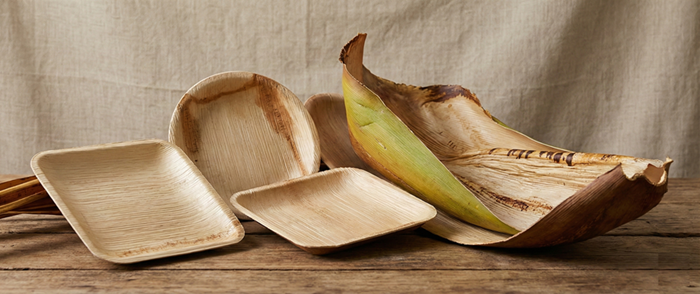
Areca leaf plates are made from the naturally fallen outer sheath of the areca palm tree. No tree cutting is required. The sheaths are collected, washed, dried, trimmed, and then heat-pressed into plates, bowls, and other serving shapes.
These products are known for their natural texture, attractive grain pattern, durability, and compostability. They are suitable for hot foods, oily foods, and many types of hospitality and food-service usage.
Raw Materials and Sourcing in Bangladesh
The main raw material is fallen areca sheath. Bangladesh’s sourcing potential is strongest in areas where areca palms are common, particularly in parts of Cox’s Bazar, Bhola, Chattogram region, and other southern or coastal belts. Collection is usually done through local farmers, leaf gatherers, or middlemen networks.
Entrepreneurs should focus on raw leaves that are dry, mature, cleanable, and structurally strong. Seasonality matters, so proper stock planning is important during high-moisture months.
Space and Basic Setup Requirements
A small unit can begin in a modest workshop with approximately 100 to 200 square feet of working area. The business does not require a large industrial building at the starting stage.
- Small workshop or production room
- Reliable electricity connection
- Water for washing and cleaning leaves
- Storage area for dry raw materials and finished goods
- Ventilated work environment due to machine heat
Machinery Needed
The core equipment is a hydraulic heat-press machine. This machine uses high temperature and pressure to mold the leaf into the desired shape. Different capacities are available depending on the number of molds and production needs.
Typical Entry-Level Machinery Structure
- 1-mold machine for smaller production setups
- 2-mold or 3-mold options for growing demand
- Hydraulic system with heating plates
- Molds for plates, bowls, compartment trays, or platters
A basic entry-level machine is often the best starting point for new entrepreneurs because it reduces upfront financial risk while allowing immediate market testing.
Estimated Startup Investment
Startup costs can vary depending on machine size, local rent, and working capital needs. A small setup may begin with an investment of around BDT 350,000 to BDT 420,000 when machinery, setup, packaging, transport, and first-cycle raw materials are included.
For practical planning, divide your budget into three parts: machine cost, working capital, and market development. Many small businesses focus too much on the machine and not enough on raw material supply and sales channels.
Production Process Step by Step
1. Collection
Fallen areca leaf sheaths are collected from plantation zones and rural suppliers. Only naturally fallen material should be used for a truly sustainable positioning.
2. Cleaning
The leaves are washed to remove soil, dust, and surface contamination. They are then dried properly to prepare them for pressing.
3. Trimming and Sorting
Leaves are sorted by size, thickness, and quality. Edges may be trimmed before molding to fit specific shapes more cleanly.
4. Heat Pressing
The cleaned sheath is placed into a heated hydraulic mold. Under temperature and pressure, it takes the shape of a plate, bowl, tray, or platter.
5. Cooling and Quality Check
Finished items are removed, cooled, checked for cracks or uneven edges, and then bundled according to size and order type.
6. Packing
Products are packed in bundles, sleeves, or export cartons depending on the target market.
Product Range You Can Manufacture
- 6-inch snack plates
- 8-inch side plates
- 10-inch and 12-inch dinner plates
- Round and square plates
- Deep bowls and shallow bowls
- Serving platters
- Compartment trays for catering or takeaway service
A smart business approach is to start with high-demand sizes and later expand into premium hospitality or export-oriented custom shapes.
Licenses and Registration in Bangladesh
For a small manufacturing setup, basic compliance usually starts with a trade license from the relevant local authority. As the business grows, formal structure and certification become more important, especially if you want to work with institutions, superstores, or international buyers.
- Trade license
- Business registration if scaling formally
- TIN and tax-related registration where applicable
- Quality certification and documentation for larger buyers
- Export-related registration for overseas shipments
Monthly Operating Costs
Operating expenses typically include raw leaves, labor, packaging materials, electricity, local transport, machine maintenance, and sales delivery costs. Electricity and inconsistent raw material supply can significantly affect unit cost if not planned properly.
New entrepreneurs should calculate cost per finished plate carefully instead of focusing only on daily output. Real profit depends on reject rate, packaging loss, sourcing efficiency, and customer type.
Where to Sell the Products
Local B2B Sales
Restaurants, food stalls, wedding caterers, event planners, and eco-retailers are all possible buyers. Wholesale supply can create consistent cash flow.
Superstores and Retail
Premium eco-friendly packaging is increasingly attractive for modern retail shelves, gift stores, and lifestyle product corners.
Online Sales
E-commerce platforms, Facebook business pages, and B2B digital outreach can help build an early sales network. A branded listing on platforms like jarshops.com can strengthen trust and direct order collection.
Export Sales
Export markets offer premium positioning, especially when products are well-packed, standardized, and presented as sustainable alternatives. Branding, consistent size control, and moisture-safe packaging are essential.
Profit Potential
With a small machine and regular production, an entry-level unit can produce several hundred to around a thousand pieces per day depending on size and operational efficiency. Profitability depends heavily on product mix and buyer type.
In general, businesses targeting catering, hospitality, and export markets may achieve better margins than those competing only on low-price bulk wholesale.
The most successful areca leaf businesses do not only sell plates — they sell a complete eco-friendly brand story: biodegradable, natural, premium-looking, and export-ready.
Main Challenges
- Electricity cost for continuous machine use
- Seasonal supply fluctuation of raw areca sheath
- Need for consistent product quality
- Moisture and storage management
- Building strong sales channels beyond initial production
How to Succeed Faster
Start small, control quality, and build reliable sourcing first. Choose a few best-selling sizes, focus on repeat B2B buyers, and create strong branding around sustainability and natural materials. Good packaging, clear product photography, and digital promotion can significantly increase market trust.
Entrepreneurs can also benefit from logistics coordination for nationwide delivery and export development. Within a wider ecosystem, product sourcing, branding, and distribution can be integrated more effectively through business networks such as JAR GROUP and trade-oriented channels.
Conclusion
Starting an areca leaf plate making business in Bangladesh is one of the most practical green SME opportunities available today. It combines low-to-medium capital requirements, accessible raw materials, environmental relevance, and strong future demand.
For entrepreneurs looking to enter sustainable manufacturing, this business offers more than short-term profit. It provides the chance to build a brand that aligns with responsible trade, rural income generation, and the growing global shift toward biodegradable products.
একবার ব্যবহারযোগ্য প্লাস্টিকের বিকল্প খোঁজার বৈশ্বিক প্রবণতা এখন পরিবেশবান্ধব উৎপাদন খাতে নতুন সুযোগ তৈরি করছে। এই সুযোগগুলোর মধ্যে অন্যতম হলো সুপারি পাতার প্লেট তৈরির ব্যবসা—যেখানে গাছ না কেটে স্বাভাবিকভাবে ঝরে পড়া সুপারি পাতার খোল থেকে প্লেট, বাটি, ট্রে ও প্ল্যাটার তৈরি করা হয়।
বাংলাদেশের জন্য এই ব্যবসা বিশেষভাবে সম্ভাবনাময়। কারণ দেশে সুপারি গাছের উপস্থিতি, কম খরচের শ্রম, সহজ উৎপাদন প্রক্রিয়া এবং পরিবেশবান্ধব পণ্যের বাড়তে থাকা চাহিদা—সব মিলিয়ে এটি একটি বাস্তবসম্মত ক্ষুদ্র ও মাঝারি শিল্প হতে পারে।
সুপারি পাতার প্লেট ব্যবসা এমন একটি খাত, যেখানে টেকসইতা, তুলনামূলক কম বিনিয়োগ, সহজ যন্ত্রপাতি এবং দেশীয় ও রপ্তানি—দুই বাজারেই প্রবৃদ্ধির সুযোগ রয়েছে।
বাংলাদেশে এই ব্যবসার সম্ভাবনা কেন বেশি
দেশে রেস্টুরেন্ট, ক্যাটারিং, বিয়ে-অনুষ্ঠান, সুপারশপ, ইকো-প্রোডাক্ট বিক্রেতা এবং রপ্তানি বাজারে বায়োডিগ্রেডেবল টেবিলওয়্যারের চাহিদা বাড়ছে। প্লাস্টিক দূষণ নিয়ে সচেতনতা বাড়ায় প্রাকৃতিক বিকল্প পণ্য এখন আগের চেয়ে বেশি আকর্ষণীয়।
সুপারি পাতার প্লেট কী
সুপারি গাছের স্বাভাবিকভাবে ঝরে পড়া বাহিরের খোল সংগ্রহ করে তা পরিষ্কার, শুকিয়ে, ছাঁটাই করে গরম প্রেস মেশিনে চাপ দিয়ে প্লেট ও বাটির আকার দেওয়া হয়। এতে গাছ কাটার দরকার হয় না।
কাঁচামাল কোথায় পাওয়া যায়
কক্সবাজার, ভোলা, চট্টগ্রাম অঞ্চল এবং দক্ষিণাঞ্চলের কিছু এলাকায় সুপারি পাতার খোল তুলনামূলক বেশি পাওয়া যায়। স্থানীয় কৃষক, সংগ্রাহক বা মধ্যস্বত্বভোগীদের মাধ্যমে কাঁচামাল সংগ্রহ করা যায়।
জায়গা ও বেসিক সেটআপ
শুরুতে ১০০ থেকে ২০০ বর্গফুটের একটি ছোট ওয়ার্কশপও যথেষ্ট হতে পারে। বিদ্যুৎ, পানি, শুকনো কাঁচামাল রাখার জায়গা এবং প্যাকিংয়ের জন্য কিছু অতিরিক্ত স্থান দরকার হবে।
কোন মেশিন লাগবে
এই ব্যবসার মূল যন্ত্র হলো হাইড্রোলিক হিট প্রেস মেশিন। এটি তাপ ও চাপ ব্যবহার করে পাতাকে প্লেট, বাটি বা ট্রের আকার দেয়। শুরুতে ১-মোল্ড মেশিন দিয়ে শুরু করা বুদ্ধিমানের কাজ।
আনুমানিক বিনিয়োগ
ছোট পরিসরে শুরু করতে মেশিন, কাঁচামাল, প্যাকেজিং, পরিবহন ও সেটআপসহ মোটামুটি ৩.৫ লাখ থেকে ৪.২ লাখ টাকা পর্যন্ত লাগতে পারে।
উৎপাদন প্রক্রিয়া
প্রথমে ঝরে পড়া সুপারি খোল সংগ্রহ করা হয়। এরপর তা ধুয়ে শুকানো হয়, ছাঁটাই করা হয়, তারপর গরম প্রেস মেশিনে নির্দিষ্ট ছাঁচে ঢুকিয়ে প্লেট বা বাটির আকৃতি দেওয়া হয়। পরে ঠান্ডা করে গুণগত মান যাচাই করে প্যাকিং করা হয়।
কোন কোন পণ্য তৈরি করা যায়
- ৬ ইঞ্চি স্ন্যাকস প্লেট
- ৮ ইঞ্চি প্লেট
- ১০ বা ১২ ইঞ্চি ডিনার প্লেট
- রাউন্ড বা স্কয়ার প্লেট
- ডিপ ও শ্যালো বোল
- সার্ভিং প্ল্যাটার
- কম্পার্টমেন্ট ট্রে
লাইসেন্স ও রেজিস্ট্রেশন
শুরুতে ট্রেড লাইসেন্সই সবচেয়ে জরুরি। ব্যবসা বড় হলে নিবন্ধন, ট্যাক্স-সম্পর্কিত কাগজপত্র, মান নিয়ন্ত্রণ ও রপ্তানি ডকুমেন্টের প্রয়োজন হতে পারে।
মাসিক খরচ
কাঁচামাল, শ্রম, বিদ্যুৎ, প্যাকেজিং, স্থানীয় পরিবহন, মেশিন রক্ষণাবেক্ষণ ও বিক্রয় খরচ—এসবই মাসিক অপারেটিং কস্টের অংশ। বিদ্যুৎ ও কাঁচামালের ধারাবাহিক সরবরাহ এখানে বড় বিষয়।
কোথায় বিক্রি করবেন
রেস্টুরেন্ট, ক্যাটারার, বিয়ে-অনুষ্ঠান, সুপারশপ, ইকো রিটেইল, অনলাইন প্ল্যাটফর্ম, ফেসবুক পেজ এবং রপ্তানি বাজার—সবই সম্ভাব্য বিক্রয় চ্যানেল। ব্র্যান্ডেডভাবে jarshops.com-এর মতো প্ল্যাটফর্মেও তালিকাভুক্ত করা যেতে পারে।
লাভের সম্ভাবনা
ছোট মেশিন দিয়েও প্রতিদিন ভালো পরিমাণ পণ্য তৈরি করা সম্ভব। লাভ নির্ভর করবে উৎপাদন দক্ষতা, নষ্টের হার, পণ্যের সাইজ, প্যাকেজিং ও কোন ধরনের ক্রেতাকে বিক্রি করছেন তার ওপর।
চ্যালেঞ্জ
বিদ্যুৎ খরচ, বর্ষায় কাঁচামালের সরবরাহ, স্ট্যান্ডার্ড মান বজায় রাখা, শুকনো স্টোরেজ, এবং নিয়মিত বাজার তৈরির বিষয়গুলোই সবচেয়ে বড় চ্যালেঞ্জ।
দ্রুত সফল হতে কী করবেন
ছোট পরিসরে শুরু করুন, গুণগত মানে ফোকাস করুন, কয়েকটি বেশি বিক্রি হয় এমন সাইজে কাজ করুন, পুনরায় অর্ডার দেয় এমন B2B ক্রেতা তৈরি করুন এবং পণ্যের চারপাশে শক্তিশালী পরিবেশবান্ধব ব্র্যান্ডিং গড়ে তুলুন।
উপসংহার
বাংলাদেশে সুপারি পাতার প্লেট তৈরির ব্যবসা একটি বাস্তবসম্মত সবুজ শিল্প। এটি শুধু লাভজনক ব্যবসার সুযোগ নয়, বরং পরিবেশ রক্ষা, গ্রামীণ আয় বৃদ্ধি এবং আন্তর্জাতিক বাজারে টেকসই পণ্য নিয়ে প্রবেশের পথও খুলে দেয়।
يفتح الابتعاد العالمي عن البلاستيك أحادي الاستخدام فرصًا جديدة للأعمال الصديقة للبيئة، ومن بينها مشروع تصنيع أطباق أوراق الأريكا القابلة للتحلل الحيوي.
في بنغلاديش، يتمتع هذا المشروع بإمكانات قوية بفضل توافر المواد الخام، وانخفاض تكلفة العمالة، وازدياد الطلب على البدائل الطبيعية في الأسواق المحلية والدولية.
لماذا هذا المشروع واعد؟
لأن أوراق الأريكا المتساقطة طبيعيًا يمكن تحويلها إلى أطباق وأوعية جميلة ومتينة وقابلة للتحلل، دون الحاجة إلى قطع الأشجار.
المواد الخام والتوريد
يتم جمع أغلفة أوراق الأريكا من المناطق الساحلية والاستوائية، ثم تنظيفها وتجفيفها وتجهيزها للإنتاج.
الآلات المطلوبة
تعتمد العملية على آلة ضغط حراري هيدروليكية تقوم بتشكيل الأوراق إلى أطباق وأوعية بأحجام مختلفة.
خطوات الإنتاج
تشمل العملية الجمع، التنظيف، التجفيف، الفرز، التشكيل الحراري، الفحص، ثم التعبئة والتغليف.
التسويق والبيع
يمكن البيع للمطاعم، وشركات الضيافة، والمنظمين، والمتاجر الحديثة، والمنصات الإلكترونية، وكذلك التصدير للأسواق الخارجية.
الخلاصة
مشروع تصنيع أطباق الأريكا في بنغلاديش يمثل فرصة عملية لبناء مشروع أخضر منخفض إلى متوسط التكلفة، مع قابلية للنمو محليًا وعالميًا.
随着全球逐步减少一次性塑料的使用,槟榔叶盘制造业务正成为一种具有吸引力的环保创业方向。
在孟加拉国,这一行业具有明显优势,因为当地具备原材料来源、较低的劳动力成本以及不断增长的绿色产品需求。
为什么值得投资
槟榔树自然脱落的叶鞘可以加工成可降解盘子、碗和托盘,不需要砍伐树木,兼具环保性与商业价值。
原材料与供应
原料主要来自沿海和热带地区采集的落叶鞘,经过清洗、干燥和分类后进入生产流程。
所需设备
主要设备是液压热压机,通过高温与压力将叶片压制成各种形状。
生产流程
包括收集、清洗、干燥、修边、热压成型、检验和包装几个步骤。
销售渠道
可以面向餐厅、婚礼活动、超市、线上平台和出口市场销售。
结论
在孟加拉国开展槟榔叶盘制造业务,是一个兼具环保意义和盈利潜力的中小企业机会。
दुनिया भर में सिंगल-यूज़ प्लास्टिक कम करने की कोशिशों के बीच अरेका लीफ प्लेट बनाने का व्यवसाय एक मजबूत ग्रीन बिज़नेस अवसर बनकर उभर रहा है।
बांग्लादेश में यह व्यवसाय खास तौर पर संभावनाशील है, क्योंकि यहाँ कच्चे माल की उपलब्धता, कम श्रम लागत और इको-फ्रेंडली उत्पादों की बढ़ती मांग मौजूद है।
यह व्यवसाय क्यों अच्छा है
प्राकृतिक रूप से गिरे हुए अरेका पत्तों के बाहरी हिस्से से प्लेट, बाउल और ट्रे बनाई जा सकती हैं, और इसमें पेड़ों को काटने की ज़रूरत नहीं होती।
कच्चा माल और सोर्सिंग
कच्चा माल तटीय और उष्णकटिबंधीय क्षेत्रों से एकत्र किया जाता है, फिर उसे साफ, सुखाकर और छांटकर उत्पादन के लिए तैयार किया जाता है।
मशीनरी
इस व्यवसाय की मुख्य मशीन हाइड्रोलिक हीट प्रेस मशीन होती है, जो पत्ते को अलग-अलग आकार में ढालती है।
उत्पादन प्रक्रिया
संग्रह, सफाई, सुखाना, ट्रिमिंग, हीट-प्रेसिंग, निरीक्षण और पैकिंग — यही इसका मुख्य कार्यप्रवाह है।
बिक्री के अवसर
उत्पादों को रेस्टोरेंट, कैटरिंग, इवेंट कंपनियों, सुपरस्टोर, ऑनलाइन प्लेटफॉर्म और निर्यात बाजारों में बेचा जा सकता है।
निष्कर्ष
बांग्लादेश में अरेका लीफ प्लेट निर्माण व्यवसाय कम से मध्यम निवेश वाला, पर्यावरण-अनुकूल और दीर्घकालिक संभावनाओं वाला एक मजबूत अवसर है।