
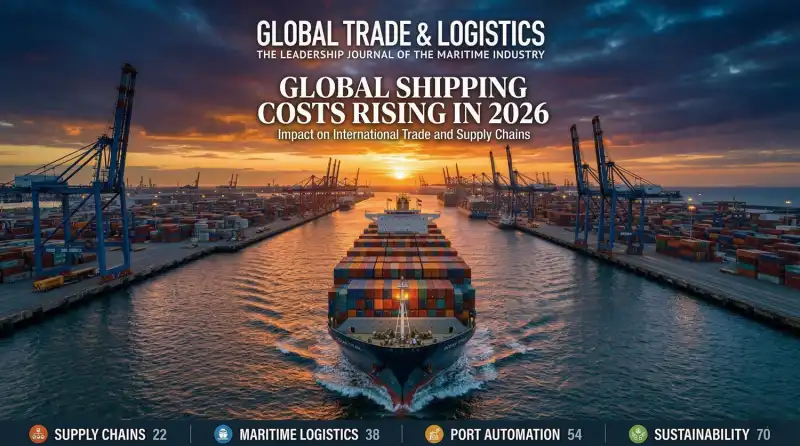
Global Shipping Costs Are Rising Again in 2026 — What It Means for International Trade
The global shipping industry is once again facing rising costs in 2026. After a period of relative stability following the pandemic years, geopolitical tensions and supply chain disruptions are pushing freight rates upward.
Rising Freight Rates
Freight rates across major international routes have started to increase again. Shipping companies are introducing new surcharges due to fuel price volatility, insurance risks, and operational challenges.
- Higher fuel prices
- Rising maritime insurance costs
- Security risks in key trade routes
- Longer shipping routes due to diversions
These factors are increasing transportation expenses for importers and exporters worldwide.
Red Sea and Middle East Shipping Risks
The Red Sea and the Suez Canal remain one of the most critical maritime corridors in global trade. Nearly 12–15% of world trade passes through this route.
When security concerns increase in the region, shipping companies often reroute vessels around the Cape of Good Hope, which significantly increases travel time and fuel costs.
Impact on Global Inflation
Shipping costs directly influence global inflation. When logistics expenses increase, the cost of goods rises throughout the supply chain.
This affects everything from energy prices to food and consumer products.
Impact on Import and Export Businesses
Businesses involved in global trade must adapt quickly to logistics challenges. Importers may face higher freight rates and delivery delays, while exporters may struggle with reduced competitiveness due to rising transportation costs.
The Strategic Role of Logistics Companies
Professional logistics providers play a vital role in helping businesses navigate shipping disruptions. Efficient logistics planning can reduce risks and maintain supply chain stability.
JAR WORLD SHIPPING LINE
Global Freight Forwarding & Supply Chain Solutions
Ocean Freight | Air Freight | NVOCC Services | Global Shipping Solutions
🌐 jarship.com
📧 jar@jarlimited.com
Connecting global trade with professional logistics expertise.
২০২৬ সালে আবার বাড়ছে বৈশ্বিক শিপিং খরচ — আন্তর্জাতিক বাণিজ্যে এর প্রভাব
২০২৬ সালে বৈশ্বিক শিপিং খরচ আবার বাড়তে শুরু করেছে। মহামারির পর কিছুটা স্থিতিশীলতা দেখা গেলেও নতুন ভূরাজনৈতিক উত্তেজনা এবং সরবরাহ চেইনের সমস্যার কারণে আবারও ফ্রেইট রেট বৃদ্ধি পাচ্ছে।
ফ্রেইট রেট বৃদ্ধি
বিশ্বের প্রধান শিপিং রুটগুলোতে আবার ফ্রেইট রেট বাড়তে শুরু করেছে। জ্বালানির দাম বৃদ্ধি, বীমা ব্যয় এবং নিরাপত্তা ঝুঁকি এর অন্যতম কারণ।
- জ্বালানির মূল্য বৃদ্ধি
- মেরিটাইম বীমা ব্যয় বৃদ্ধি
- গুরুত্বপূর্ণ শিপিং রুটে নিরাপত্তা ঝুঁকি
- বিকল্প রুট ব্যবহার করায় যাত্রা সময় বৃদ্ধি
রেড সি ও মধ্যপ্রাচ্যের ঝুঁকি
রেড সি এবং সুয়েজ খাল বিশ্বের অন্যতম গুরুত্বপূর্ণ বাণিজ্য পথ। বৈশ্বিক বাণিজ্যের প্রায় ১২–১৫% এই রুট দিয়ে পরিচালিত হয়।
যখন এই অঞ্চলে নিরাপত্তা ঝুঁকি বাড়ে, তখন অনেক জাহাজকে আফ্রিকার কেপ অফ গুড হোপ ঘুরে যেতে হয়, যা ভ্রমণ সময় এবং জ্বালানি খরচ বাড়িয়ে দেয়।
বিশ্ব অর্থনীতিতে প্রভাব
শিপিং খরচ বৃদ্ধি বিশ্বব্যাপী পণ্যের দাম বাড়াতে ভূমিকা রাখে। পরিবহন ব্যয় বাড়লে সেই প্রভাব পুরো সরবরাহ চেইনে পড়ে।
আমদানি ও রপ্তানি ব্যবসায় প্রভাব
আন্তর্জাতিক বাণিজ্যের সাথে যুক্ত ব্যবসাগুলোর জন্য এই পরিস্থিতি নতুন চ্যালেঞ্জ তৈরি করছে। আমদানিকারকরা বাড়তি খরচ ও দেরির মুখে পড়ছে এবং রপ্তানিকারকদের প্রতিযোগিতা কমে যাচ্ছে।
JAR WORLD SHIPPING LINE
আন্তর্জাতিক ফ্রেইট ফরওয়ার্ডিং ও লজিস্টিকস সলিউশন
Ocean Freight | Air Freight | NVOCC Services
🌐 jarship.com
📧 jar@jarlimited.com