Global Freight Forwarder Associations: History, Structure and Role in International Trade
Freight forwarder associations are professional organizations that represent companies and individuals involved in logistics, transportation, and supply chain management. These associations promote best practices, provide training and certifications, represent the industry before governments and international bodies, and facilitate knowledge-sharing among members.
In the modern global economy, freight forwarders are a critical component of international trade. They coordinate transportation across sea, air, rail, and road networks, manage documentation, ensure customs compliance, and organize complex logistics chains connecting manufacturers, exporters, importers, and retailers.
As global trade expanded throughout the twentieth century, the logistics industry recognized the need for cooperation, standardization, and professional representation. This led to the formation of freight forwarder associations around the world.
These organizations help create trust, establish industry standards, support regulatory compliance, and provide professional education for logistics professionals.
Key Global Role of Freight Forwarder Associations
Freight forwarder associations worldwide unite logistics professionals to standardize practices, advocate for policies, and facilitate global trade.
These organizations provide networking, training, and regulatory support for members handling shipments across borders.
Joining such associations offers significant benefits. Members gain access to professional education, industry certification programs, lobbying power, and strong global networks for partnerships.
For companies operating international trade routes — especially important corridors such as Bangladesh–China logistics routes — membership can provide valuable support.
Associations help companies navigate complex regulations, stay informed about policy changes, and adopt innovations such as digital documentation systems, electronic data interchange (EDI), and modern supply chain technologies.
Understanding the Structure of the Global Logistics Industry
It is important to distinguish between official national or international associations and commercial freight networks.
Official associations usually focus on:
- Setting industry standards
- Training and certification
- Representing the industry before governments
- Promoting regulatory compliance
Commercial freight networks, on the other hand, are private organizations focused on business partnerships and cargo referrals.
They help freight forwarders find trusted partners in other countries but do not typically represent the industry politically.
The Global “Umbrella”: FIATA
Worldwide, the freight forwarding industry is primarily organized through one massive umbrella federation that connects almost all national associations.
This organization is FIATA — the International Federation of Freight Forwarders Associations.
FIATA serves as the main global body representing freight forwarders and logistics companies worldwide.
Founded in 1926 in Vienna, Austria, and now headquartered in Geneva, Switzerland, FIATA acts as the international voice of the freight forwarding industry.
FIATA is often described as the “NGO of the logistics industry.”
It represents freight forwarders at international organizations including:
- United Nations (UN)
- World Trade Organization (WTO)
- United Nations Conference on Trade and Development (UNCTAD)
- International Chamber of Commerce (ICC)
Through these institutions, FIATA advocates for policies that support efficient global trade and fair logistics regulations.
FIATA Global Reach
- Total National Association Members: Approximately 109 to 115 national associations
- Countries Represented: Over 150 countries
- Total Firms Represented: Around 40,000 freight forwarding and logistics companies
- Industry Workforce Represented: Approximately 8 to 10 million logistics professionals
FIATA also develops widely used international documents such as the FIATA Bill of Lading, which is recognized globally in international shipping.
The federation organizes training programs, certification systems, and the annual FIATA World Congress, where logistics leaders gather to discuss industry developments.
Major Regional and Specialized Associations
Beyond the global level, powerful regional associations exist to address specific trade environments, economic regions, and transportation modes.
These organizations often cooperate with FIATA while focusing on regional challenges.
CLECAT – Europe
European Liaison Committee of Common Market Forwarders. Represents logistics providers and freight forwarders within the European Union and works closely with EU institutions on transport policy and customs matters.
ALACAT – Latin America
Federation of National Associations of Freight Forwarders in Latin America and the Caribbean. Promotes regional cooperation and development of logistics services across Latin American markets.
AFFA – ASEAN
ASEAN Federation of Forwarders Associations. Encourages cooperation between Southeast Asian logistics providers and supports regional trade growth.
IATA – Global Air Cargo
Although primarily an airline organization, IATA operates a massive Cargo Agent Program that freight forwarders must join to issue air waybills and participate in international air cargo operations.
TIACA – Global Air Cargo Industry
The International Air Cargo Association promotes collaboration across airlines, freight forwarders, airports, and logistics service providers.
National Freight Forwarder Associations
Almost every country maintains its own national freight forwarding association.
These organizations represent local industry interests, coordinate with customs authorities, and serve as the official national members of FIATA.
Examples include:
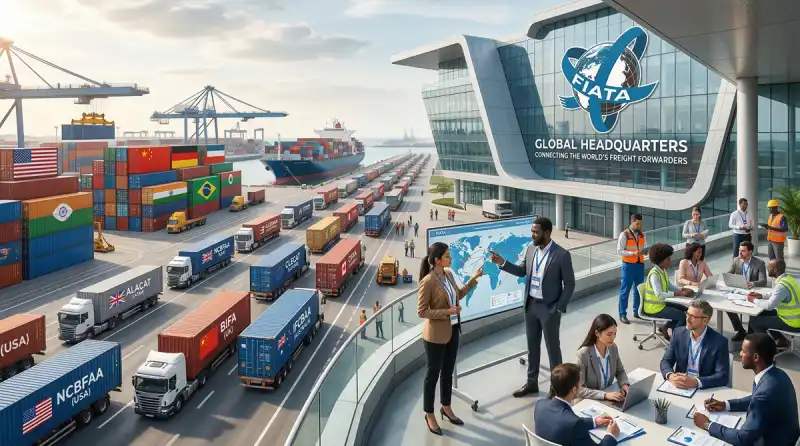
- United States — NCBFAA: National Customs Brokers & Forwarders Association of America
- United Kingdom — BIFA: British International Freight Association
- Canada — CIFFA: Canadian International Freight Forwarders Association
- Australia — IFCBAA: International Forwarders & Customs Brokers Association of Australia
These national associations often provide professional training programs, certification for freight forwarders, customs compliance guidance, and industry lobbying efforts.
For many logistics companies, joining their national association is the first step toward international industry participation.
Commercial Freight Networks
In addition to official associations, there are also thousands of private freight networks operating globally.
These include organizations such as WCAworld, JCtrans, Glosel, and various regional cargo networks.
These networks are often confused with associations but function differently.
Commercial freight networks operate as membership-based business clubs where freight forwarders pay fees to access partner directories and receive shipment referrals.
Their main purpose is to help forwarders find trusted overseas partners for import and export shipments.
Associations vs Freight Networks
Understanding the difference between these two structures is essential for logistics companies.
Freight Forwarder Associations
- Industry standards
- Training and certification
- Government lobbying
- Regulatory compliance
- Professional development
Freight Networks
- Sales leads
- Overseas partnerships
- Cargo referrals
- Commercial collaboration
Both can be valuable, but they serve different purposes.
Choosing the Right Organization
For companies seeking regulatory recognition, professional credibility, and industry standards, it is recommended to follow the FIATA member directory and join recognized national associations.
For companies focused primarily on sales expansion and international partner networks, commercial freight networks may be more suitable.
Many successful freight forwarders choose to participate in both systems.
Conclusion
Freight forwarder associations play a crucial role in shaping the global logistics industry.
Through international cooperation, policy advocacy, training programs, and industry standards, these organizations help ensure that global trade operates efficiently and transparently.
As global supply chains continue to evolve, the role of professional logistics associations will remain vital for maintaining trust, innovation, and cooperation across international transportation networks.
For logistics companies operating across borders, participation in these organizations can provide not only professional credibility but also valuable knowledge, partnerships, and strategic opportunities in the global freight market.
বিশ্বব্যাপী Freight Forwarder Association: ইতিহাস, কাঠামো ও আন্তর্জাতিক বাণিজ্যে ভূমিকা
Freight forwarder association হলো এমন পেশাগত সংগঠন, যা logistics, transportation এবং supply chain management-এর সঙ্গে যুক্ত ব্যক্তি ও প্রতিষ্ঠানকে প্রতিনিধিত্ব করে।
এই সংগঠনগুলো best practice প্রচার করে, training ও certification দেয়, সরকার ও আন্তর্জাতিক প্রতিষ্ঠানের কাছে শিল্পখাতের স্বার্থ তুলে ধরে এবং সদস্যদের মধ্যে knowledge-sharing সহজ করে।
আধুনিক বিশ্ব অর্থনীতিতে freight forwarder আন্তর্জাতিক বাণিজ্যের একটি গুরুত্বপূর্ণ অংশ। তারা sea, air, rail ও road transport-এর মধ্যে সমন্বয় করে, documentation পরিচালনা করে, customs compliance নিশ্চিত করে এবং manufacturer, exporter, importer ও retailer-দের যুক্ত করে জটিল supply chain পরিচালনা করে।
বৈশ্বিক ভূমিকা
বিশ্বজুড়ে freight forwarder association logistics professionals-দের একত্র করে, standardization নিশ্চিত করে, policy advocacy করে এবং global trade সহজ করে।
সদস্যরা networking, training, regulatory support, professional education, industry certification এবং lobbying power পায়।
Bangladesh–China logistics route-এর মতো গুরুত্বপূর্ণ বাণিজ্যপথে কাজ করা প্রতিষ্ঠানের জন্য এসব সংগঠন বিশেষভাবে উপকারী।
তারা complex regulation বুঝতে সাহায্য করে, policy change সম্পর্কে আপডেট রাখে এবং digital documentation, EDI ও modern supply chain technology গ্রহণে সহায়তা করে।
আধিকারিক association ও private freight network-এর পার্থক্য
official national বা international association এবং commercial freight network এক জিনিস নয়।
Association সাধারণত industry standard, training, certification, government representation এবং regulatory compliance নিয়ে কাজ করে।
Commercial freight network মূলত business lead, cargo referral এবং overseas partner খুঁজে পেতে সাহায্য করে।
FIATA: বৈশ্বিক umbrella body
বিশ্ব freight forwarding industry প্রধানত একটি বড় umbrella federation-এর মাধ্যমে সংগঠিত, যা প্রায় সব national association-কে সংযুক্ত করে। এই সংগঠনটি হলো FIATA।
FIATA-এর পূর্ণরূপ International Federation of Freight Forwarders Associations। এটি freight forwarder ও logistics company-গুলোর প্রধান global representative body।
1926 সালে Vienna, Austria-তে প্রতিষ্ঠিত এবং বর্তমানে Geneva, Switzerland-এ সদরদপ্তরভিত্তিক FIATA-কে অনেক সময় logistics industry-এর “NGO” বলা হয়।
এটি United Nations, WTO, UNCTAD এবং ICC-এর মতো আন্তর্জাতিক প্রতিষ্ঠানের সামনে freight forwarder-দের প্রতিনিধিত্ব করে।
FIATA-এর বৈশ্বিক পরিধি
- জাতীয় association সদস্য: প্রায় 109 থেকে 115
- প্রতিনিধিত্বকারী দেশ: 150টির বেশি
- প্রতিনিধিত্বকারী প্রতিষ্ঠান: প্রায় 40,000 freight forwarding ও logistics firm
- প্রতিনিধিত্বকারী workforce: আনুমানিক 8 থেকে 10 million logistics professional
FIATA Bill of Lading-এর মতো widely recognized document এবং international training ও congress-এর জন্যও FIATA সুপরিচিত।
আঞ্চলিক ও বিশেষায়িত সংগঠন
global level-এর বাইরে regional association-ও অত্যন্ত শক্তিশালী ভূমিকা রাখে।
CLECAT – Europe
European Union-এর logistics provider ও freight forwarder-দের প্রতিনিধিত্ব করে।
ALACAT – Latin America
Latin America ও Caribbean অঞ্চলের freight forwarder association-গুলোর federation।
AFFA – ASEAN
Southeast Asia logistics cooperation ও trade growth-এ সহায়তা করে।
IATA – Global Air Cargo
Air waybill issue করার জন্য freight forwarder-দের Cargo Agent Program-এ অংশ নিতে হয়।
TIACA – Global Air Cargo Industry
Air cargo ecosystem-এর বিভিন্ন stakeholder-এর মধ্যে cooperation বাড়ায়।
National Association
প্রায় প্রতিটি দেশের নিজস্ব national freight forwarding association আছে।
উদাহরণ:
- USA — NCBFAA
- UK — BIFA
- Canada — CIFFA
- Australia — IFCBAA
এসব সংগঠন local industry interest রক্ষা করে, customs authority-এর সঙ্গে কাজ করে এবং training, compliance guidance ও lobbying support দেয়।
Commercial Freight Network
WCAworld, JCtrans, Glosel-এর মতো হাজারো private freight network আছে, যেগুলোকে অনেক সময় association ভেবে ভুল করা হয়।
এগুলো membership-based commercial club, যেখানে forwarder-রা fee দিয়ে overseas partner directory ও shipment referral পায়।
উপসংহার
Freight forwarder association বিশ্ব logistics industry-কে আরও trusted, standardized, professional এবং globally connected করে তোলে।
International cooperation, policy advocacy, training এবং industry standards-এর মাধ্যমে এগুলো global trade-কে আরও efficient ও transparent রাখতে সাহায্য করে।
جمعيات وكلاء الشحن العالمية: التاريخ والهيكل والدور في التجارة الدولية
جمعيات وكلاء الشحن هي منظمات مهنية تمثل الشركات والأفراد العاملين في الخدمات اللوجستية والنقل وإدارة سلاسل الإمداد.
تعمل هذه الجمعيات على نشر أفضل الممارسات، وتقديم التدريب والشهادات، وتمثيل القطاع أمام الحكومات والهيئات الدولية، وتسهيل تبادل المعرفة بين الأعضاء.
في الاقتصاد العالمي الحديث، يشكل وكلاء الشحن جزءاً أساسياً من التجارة الدولية، لأنهم ينسقون النقل عبر البحر والجو والسكك الحديدية والطرق، ويديرون المستندات، ويضمنون الامتثال الجمركي، وينظمون سلاسل الإمداد المعقدة.
الدور العالمي
توحد هذه الجمعيات المهنيين في قطاع الخدمات اللوجستية، وتساعد على توحيد المعايير، والدفاع عن السياسات المناسبة، وتسهيل التجارة العالمية.
كما تمنح العضوية فرصاً في التعليم والتدريب والشهادات المهنية وبناء الشراكات الدولية، وهو ما يفيد بشكل خاص الشركات العاملة في الممرات التجارية مثل بنغلاديش–الصين.
الفرق بين الجمعيات الرسمية والشبكات التجارية
من المهم التمييز بين الجمعيات الوطنية والدولية الرسمية التي تضع المعايير وتدافع عن القطاع، وبين شبكات الشحن التجارية الخاصة التي تركز على الفرص التجارية والشركاء الخارجيين.
FIATA كمظلة عالمية
ينظم قطاع الشحن الدولي عالمياً من خلال مظلة كبرى تربط معظم الجمعيات الوطنية، وهي FIATA.
تمثل FIATA الصوت العالمي الرئيسي لوكلاء الشحن وشركات الخدمات اللوجستية، وتعمل كممثل للقطاع أمام منظمات دولية مثل الأمم المتحدة ومنظمة التجارة العالمية.
الانتشار العالمي لـ FIATA
- عدد الجمعيات الوطنية الأعضاء: نحو 109 إلى 115
- عدد الدول الممثلة: أكثر من 150 دولة
- عدد الشركات الممثلة: حوالي 40,000 شركة
- القوى العاملة الممثلة: نحو 8 إلى 10 ملايين متخصص
الجمعيات الإقليمية والمتخصصة
CLECAT – أوروبا
تمثل مقدمي الخدمات اللوجستية ووكلاء الشحن في أوروبا.
ALACAT – أمريكا اللاتينية
اتحاد جمعيات وكلاء الشحن في أمريكا اللاتينية والكاريبي.
AFFA – الآسيان
يشجع التعاون بين مقدمي الخدمات اللوجستية في جنوب شرق آسيا.
IATA – الشحن الجوي
برنامج وكلاء الشحن الجوي ضروري لإصدار وثائق الشحن الجوي.
TIACA – قطاع الشحن الجوي
يعزز التعاون بين شركات الطيران ووكلاء الشحن والمطارات.
الجمعيات الوطنية
تمتلك معظم الدول جمعيات وطنية خاصة بها، مثل NCBFAA في الولايات المتحدة وBIFA في المملكة المتحدة وCIFFA في كندا وIFCBAA في أستراليا.
الشبكات التجارية الخاصة
توجد أيضاً آلاف الشبكات التجارية الخاصة مثل WCAworld وJCtrans وGlosel، وهي تختلف عن الجمعيات الرسمية لأنها تركز على الإحالات التجارية والشركاء الخارجيين.
الخلاصة
تؤدي جمعيات وكلاء الشحن دوراً محورياً في تطوير قطاع الخدمات اللوجستية العالمي من خلال التدريب والمعايير والتمثيل والتعاون الدولي.
全球货运代理协会:历史、结构与国际贸易中的作用
货运代理协会是代表物流、运输和供应链管理领域企业与专业人士的行业组织。
这些组织推广最佳实践,提供培训和认证,在政府与国际机构面前代表行业利益,并促进会员之间的知识共享。
在现代全球经济中,货运代理是国际贸易的重要组成部分。他们协调海运、空运、铁路和公路运输,管理单证,确保报关合规,并组织复杂的国际供应链。
全球作用
全球货运代理协会把物流专业人士联合起来,推动标准化、政策倡导和国际贸易便利化。
加入这些组织可获得教育、行业认证、游说力量以及全球合作网络,这对孟加拉国—中国等重要物流线路特别有帮助。
官方协会与商业网络的区别
必须区分官方国家或国际协会与商业货运网络。前者负责制定标准、培训、行业代表和法规倡导,后者则主要帮助企业寻找商业伙伴和业务机会。
FIATA:全球伞形机构
全球货运代理行业主要通过一个大型伞形联合会来组织,该联合会连接了几乎所有国家协会,这就是 FIATA。
FIATA 即国际货运代理协会联合会,是全球货运代理和物流公司的主要国际代表机构。
FIATA 的全球覆盖
- 国家协会成员:约 109 至 115 个
- 覆盖国家:超过 150 个
- 代表企业:约 40,000 家货运与物流公司
- 代表从业人员:约 800 万至 1,000 万人
区域与专业协会
CLECAT – 欧洲
代表欧盟范围内的物流服务商和货运代理。
ALACAT – 拉丁美洲
拉丁美洲和加勒比地区国家货运代理协会联合会。
AFFA – 东盟
促进东南亚物流合作与区域贸易发展。
IATA – 全球航空货运
货运代理需参与其 Cargo Agent Program 才能签发空运提单。
TIACA – 全球航空货运行业
推动航空公司、机场与货运代理之间的合作。
国家协会
几乎每个国家都有自己的国家级货运代理协会,例如美国 NCBFAA、英国 BIFA、加拿大 CIFFA、澳大利亚 IFCBAA。
商业货运网络
此外,全球还有成千上万个私人货运网络,如 WCAworld、JCtrans、Glosel 等。它们常被误认为协会,但实际上是商业合作平台。
结论
货运代理协会通过国际合作、培训、行业标准和政策倡导,持续推动全球物流行业更加专业、透明和高效。
वैश्विक Freight Forwarder Associations: इतिहास, संरचना और अंतरराष्ट्रीय व्यापार में भूमिका
Freight forwarder associations वे professional organizations हैं जो logistics, transportation और supply chain management से जुड़े व्यक्तियों और कंपनियों का प्रतिनिधित्व करती हैं।
ये associations best practices को बढ़ावा देती हैं, training और certification प्रदान करती हैं, governments और international bodies के सामने industry का प्रतिनिधित्व करती हैं, और members के बीच knowledge-sharing को आसान बनाती हैं।
आधुनिक वैश्विक अर्थव्यवस्था में freight forwarders अंतरराष्ट्रीय व्यापार का महत्वपूर्ण हिस्सा हैं। वे sea, air, rail और road transport को coordinate करते हैं, documentation संभालते हैं, customs compliance सुनिश्चित करते हैं और complex supply chains को संगठित करते हैं।
वैश्विक भूमिका
ये organizations logistics professionals को एकजुट करती हैं, standards को मजबूत करती हैं, policy advocacy करती हैं और global trade को आसान बनाती हैं।
Membership से education, certification, lobbying power और international partnerships के लिए networks मिलते हैं। Bangladesh–China logistics routes जैसी trade corridors में काम करने वालों के लिए यह विशेष रूप से उपयोगी है।
Association और freight network का अंतर
Official national या international associations और private commercial freight networks अलग चीजें हैं। Associations standards, training, certification, lobbying और regulatory support पर काम करती हैं, जबकि freight networks business leads और overseas partners खोजने में मदद करते हैं।
FIATA: वैश्विक umbrella body
पूरी दुनिया में freight forwarding industry मुख्यतः एक बड़े umbrella federation के माध्यम से संगठित है जो लगभग सभी national associations को जोड़ता है। यही FIATA है।
FIATA यानी International Federation of Freight Forwarders Associations, freight forwarders और logistics companies की मुख्य global representative body है।
FIATA की वैश्विक पहुँच
- National association members: लगभग 109 से 115
- Represented countries: 150 से अधिक
- Represented firms: लगभग 40,000
- Represented workforce: लगभग 8 से 10 million professionals
Regional और specialized associations
CLECAT – Europe
European logistics providers और freight forwarders का प्रतिनिधित्व करता है।
ALACAT – Latin America
Latin America और Caribbean की national associations का federation है।
AFFA – ASEAN
Southeast Asia में logistics cooperation और trade growth को बढ़ावा देता है।
IATA – Global Air Cargo
Air waybill issue करने के लिए Cargo Agent Program महत्वपूर्ण है।
TIACA – Global Air Cargo Industry
Airlines, freight forwarders और airports के बीच collaboration बढ़ाता है।
National associations
लगभग हर देश की अपनी national freight forwarding association होती है, जैसे USA की NCBFAA, UK की BIFA, Canada की CIFFA और Australia की IFCBAA।
Commercial freight networks
WCAworld, JCtrans और Glosel जैसे हजारों private freight networks भी मौजूद हैं। ये associations नहीं, बल्कि business partnership और shipment referral platform हैं।
निष्कर्ष
Freight forwarder associations global logistics industry को अधिक professional, reliable और interconnected बनाती हैं। Training, standards, policy advocacy और international cooperation के माध्यम से ये global trade को मजबूत करती हैं।
JAR WORLD LOGISTICS
⭐ JAR Group VerifiedFreight Forwarding | Global Logistics Solutions
JAR HOUSE (5th Floor)
Middle Halishahar, Munshipara
Chattogram-4215, Bangladesh
Part of the JAR Group ecosystem. Providing global freight forwarding, logistics coordination, and supply chain support.