
China Opportunity 2.0: Six Global Benefits and What They Mean for Nepal and the World
As China enters the 15th Five-Year Plan era, Beijing is presenting a new phase of high-quality development. From exports and investment to green energy, tourism, and digital innovation, “China Opportunity 2.0” is being positioned as a source of stability, confidence, and cooperation in a turbulent global economy.
In recent years, China’s economy has shown a high level of resilience, positioning itself as a major stabilising force in a world marked by uncertainty, conflict, and economic volatility. As Beijing convenes the annual “Two Sessions,” international observers are once again focusing on China’s development direction—especially as the draft outline of the 15th Five-Year Plan (2026–2030) moves toward formal review and implementation.
China argues that its economic transition from rapid growth to high-quality development is not only reshaping its own future, but also creating broad opportunities for the rest of the world. In this narrative, “China Opportunity 2.0” stands for a new phase of international engagement—one that includes trade, investment, tourism, green energy, industrial cooperation, and digital transformation.
1. Export to China
As the world’s second-largest consumer and import market, China is presenting itself as an open destination for goods from across the globe. Officials highlight lower tariff levels, repeated hosting of the China International Import Expo, and zero-tariff treatment for least developed countries with diplomatic relations with Beijing.
For countries like Nepal, this message is important. Greater access to China’s vast consumer market could help exporters diversify their sales destinations, attract buyers, and raise international visibility. Preferential treatment for Nepali exhibitors at the CIIE also shows how trade diplomacy can be used to deepen bilateral commercial ties.
2. Invest in China
China is also promoting itself as an investment destination. According to the argument presented, Beijing has expanded national treatment for foreign-invested enterprises, removed foreign investment restrictions in the manufacturing sector, and improved market access rules.
The mention of China’s strong showing in the World Economic Forum’s Lighthouse Factory list is meant to reinforce the idea that the country remains globally competitive in advanced manufacturing. For international businesses, investing in China is framed as a way to connect with industrial depth, supply-chain efficiency, and a massive domestic market.
3. Shopping in China
Another aspect of this strategy is inbound consumption. Visa-free policies, tax refund improvements, and simplified travel rules are designed to make China more attractive to international tourists and shoppers. The sharp rise in inbound tourist spending is being used as evidence that these policies are working.
This is not only about tourism. It also signals a broader ambition: to strengthen China’s services sector, encourage face-to-face business travel, and increase global engagement through mobility and consumer experience.
4. Made in China
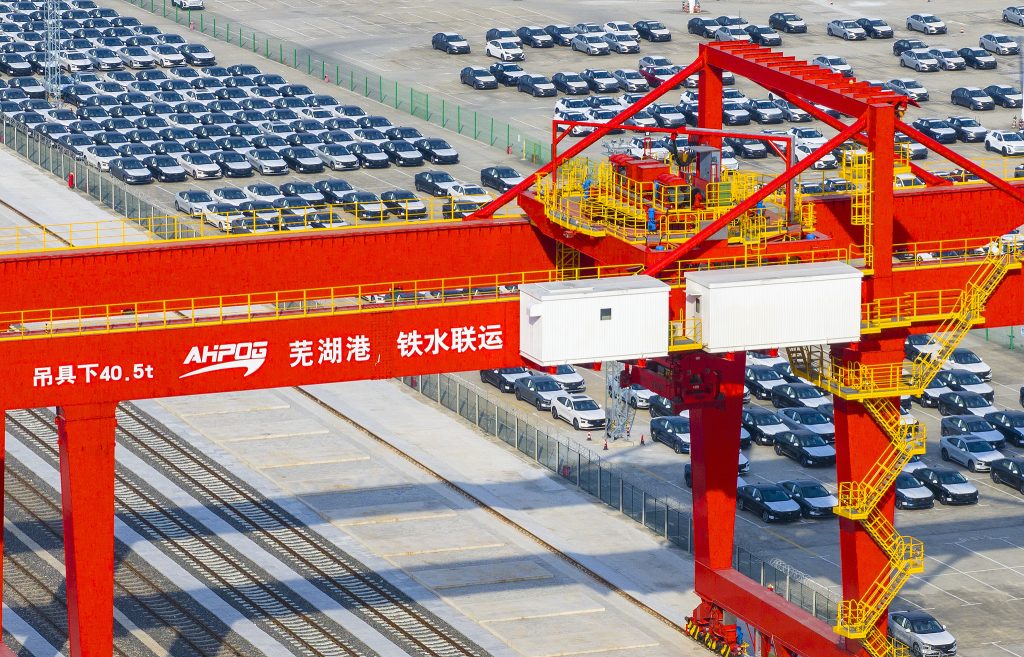
China’s industrial strength remains central to its global message. From machinery and components to large-scale production capacity, China presents itself as a reliable manufacturing partner for countries pursuing industrialisation.
Stable export prices are also being portrayed as a contribution to global inflation control. In other words, cheaper or more efficient Chinese production is not only a domestic strength—it can also influence global price stability and production costs.
5. Beautiful China
China is increasingly linking its international image to green development. Solar panels, wind power, electric vehicles, hydropower collaboration, and clean energy technology are all being highlighted as areas where China can contribute to the world.
For Nepal, this part of the argument is especially significant. Chinese investment in hydropower and the dominance of Chinese electric vehicles in Nepal suggest that the bilateral relationship is not limited to trade alone. It also includes long-term infrastructure, electrification, and low-carbon development.
6. Digital China
China is also emphasising its role in the global digital economy. By supporting open-source ecosystems, AI model development, and consumer-facing digital products, it is positioning itself as a major technology actor beyond hardware manufacturing.
The reference to app-store popularity in Nepal—particularly platforms like CapCut—illustrates how Chinese digital tools have already become embedded in everyday creative and social life for younger users.
Trade Surplus and the Debate Around It
China’s trade surplus continues to attract attention globally. The argument presented here is that surplus figures should not be viewed in isolation. In a deeply interconnected global production system, trade balances often reflect multinational corporate strategies, component flows, and final assembly structures rather than a simple one-sided gain.
The iPhone example is used to show that although a product may carry a “Made in China” label, its design, components, and value chain are globally distributed. Similarly, the role of foreign-invested enterprises in China’s exports shows that part of the surplus is shaped by international firms operating from within China.
Another point raised is that China’s external investment helps recycle capital back into the world economy. Through overseas investment, loans, deposits, and portfolio holdings, China is presented as not merely exporting more, but also financing and enabling growth elsewhere.
Why This Matters for Nepal
For Nepal, the message is clear: closer engagement with China could mean more than just more trade. It could also involve market access, tourism, energy cooperation, digital tools, infrastructure funding, and greener industrial development.
At the same time, countries like Nepal will need to balance opportunity with strategy—ensuring that partnerships deliver local value, support national development goals, and create sustainable long-term benefits.
Conclusion
“China Opportunity 2.0” is ultimately a narrative of interdependence. It presents China not just as a manufacturing giant or export power, but as a market, investor, technology player, and green development partner. Whether the world fully accepts this vision or not, one fact is clear: China’s next development phase will continue to shape trade, industry, energy, and digital life far beyond its borders.
সাম্প্রতিক বছরগুলোতে চীনের অর্থনীতি উল্লেখযোগ্য স্থিতিস্থাপকতা দেখিয়েছে এবং অস্থির বৈশ্বিক বাস্তবতায় নিজেদেরকে একটি স্থিতিশীলতার শক্তি হিসেবে তুলে ধরেছে। বেইজিংয়ে ‘টু সেশনস’ শুরু হওয়ার সঙ্গে সঙ্গে আবারও আন্তর্জাতিক আলোচনার কেন্দ্রে উঠে এসেছে চীনের উন্নয়ন-পরিকল্পনা—বিশেষত ২০২৬–২০৩০ মেয়াদের ১৫তম পঞ্চবার্ষিক পরিকল্পনা।
চীনের বক্তব্য হলো, দ্রুত প্রবৃদ্ধি থেকে উচ্চমানের উন্নয়নের পথে তাদের যাত্রা শুধু দেশটির জন্য নয়, বরং বিশ্বের জন্যও নতুন সুযোগ তৈরি করছে। এই নতুন পর্বকেই তারা বলছে—“China Opportunity 2.0”।
১. চীনে রপ্তানির সুযোগ
বিশ্বের দ্বিতীয় বৃহত্তম ভোক্তা বাজার ও আমদানি বাজার হিসেবে চীন নিজেকে বৈশ্বিক পণ্যের বড় গন্তব্য হিসেবে উপস্থাপন করছে। কম শুল্কহার, নিয়মিত China International Import Expo আয়োজন, এবং স্বল্পোন্নত দেশগুলোর জন্য শূন্য-শুল্ক সুবিধা—এসবকে তারা উন্মুক্ততার প্রমাণ হিসেবে তুলে ধরছে।
নেপালের মতো দেশের জন্য এটি গুরুত্বপূর্ণ বার্তা। বিশাল চীনা বাজারে প্রবেশাধিকার পেলে রপ্তানিকারকরা নতুন ক্রেতা, নতুন বাজার ও নতুন বাণিজ্যিক সম্ভাবনা পেতে পারে।
২. চীনে বিনিয়োগ
চীন নিজেকে বিদেশি বিনিয়োগের জন্যও একটি শক্তিশালী গন্তব্য হিসেবে তুলে ধরছে। উৎপাদন খাতে বিদেশি বিনিয়োগের বাধা তুলে দেওয়া, বাজারে প্রবেশ সহজ করা এবং নীতিগত সমতা দেওয়ার কথা উল্লেখ করা হচ্ছে।
উন্নত উৎপাদন সক্ষমতা, বড় অভ্যন্তরীণ বাজার এবং শক্তিশালী সাপ্লাই চেইনের কারণে অনেক আন্তর্জাতিক কোম্পানির কাছে চীন এখনও গুরুত্বপূর্ণ বিনিয়োগ গন্তব্য।
৩. চীনে কেনাকাটা ও পর্যটন
পারস্পরিক ভিসামুক্ত চুক্তি, একতরফা ভিসা-ফ্রি প্রবেশ, ২৪০ ঘণ্টার ট্রানজিট নীতি, এবং ট্যাক্স রিফান্ড ব্যবস্থার উন্নয়ন— এসব পদক্ষেপ চীনকে আন্তর্জাতিক পর্যটক ও শপিং গন্তব্য হিসেবে আরও আকর্ষণীয় করে তুলছে।
এটি শুধু পর্যটনের বিষয় নয়; বরং ব্যবসায়িক সফর, সেবা খাতের প্রসার এবং সরাসরি মানবিক ও বাণিজ্যিক সংযোগ বৃদ্ধির অংশ।
৪. Made in China
চীনের শিল্পশক্তি তাদের বৈশ্বিক বার্তার কেন্দ্রবিন্দু। যন্ত্রপাতি, যন্ত্রাংশ, প্রযুক্তি ও বড় উৎপাদন সক্ষমতার মাধ্যমে তারা নিজেদেরকে শিল্পায়নকামী দেশগুলোর নির্ভরযোগ্য অংশীদার হিসেবে দেখাতে চাইছে।
স্থিতিশীল রপ্তানি মূল্যকে বৈশ্বিক মূল্যস্ফীতি নিয়ন্ত্রণে সহায়ক বলেও তুলে ধরা হচ্ছে।
৫. Beautiful China
সবুজ উন্নয়ন এখন চীনের আন্তর্জাতিক পরিচয়ের গুরুত্বপূর্ণ অংশ। সৌরশক্তি, বায়ুশক্তি, বৈদ্যুতিক যান, জলবিদ্যুৎ ও পরিচ্ছন্ন জ্বালানি প্রযুক্তিতে চীনের অবদানকে বিশ্বব্যাপী সুযোগ হিসেবে তুলে ধরা হচ্ছে।
নেপালের জন্য এই দিকটি বিশেষ অর্থবহ। জলবিদ্যুৎ প্রকল্প ও চীনা ইভির প্রসার দেখায় যে দুই দেশের সম্পর্ক শুধু পণ্য বাণিজ্যে সীমাবদ্ধ নয়; এটি অবকাঠামো ও নিম্ন-কার্বন উন্নয়নেও যুক্ত।
৬. Digital China
চীন ডিজিটাল অর্থনীতিতেও নিজেদের প্রভাব বাড়ানোর কথা বলছে। ওপেন-সোর্স ইকোসিস্টেম, এআই মডেল, এবং ব্যবহারকারী-ভিত্তিক ডিজিটাল পণ্য—এসবের মাধ্যমে তারা বৈশ্বিক প্রযুক্তি খেলোয়াড় হিসেবে নিজেদের অবস্থান জোরদার করছে।
নেপালে CapCut-এর মতো অ্যাপের জনপ্রিয়তা দেখায়, চীনা প্রযুক্তি তরুণদের দৈনন্দিন সৃজনশীলতার অংশ হয়ে গেছে।
বাণিজ্য উদ্বৃত্ত বিতর্ক
চীনের বাণিজ্য উদ্বৃত্ত নিয়ে অনেক আলোচনা রয়েছে। তাদের বক্তব্য হলো, বৈশ্বিক উৎপাদন ব্যবস্থার গভীর সংযুক্ত বাস্তবতায় উদ্বৃত্তকে একপাক্ষিক লাভ হিসেবে দেখা ঠিক নয়। বহুজাতিক কোম্পানি, বিভিন্ন দেশে উৎপাদিত যন্ত্রাংশ এবং চীনে চূড়ান্ত সংযোজন— এই পুরো মূল্যশৃঙ্খলই বাস্তব চিত্রকে জটিল করে তোলে।
নেপালের জন্য অর্থ কী
নেপালের জন্য “China Opportunity 2.0” মানে হতে পারে—বাজারে প্রবেশাধিকার, পর্যটন, জ্বালানি সহযোগিতা, ডিজিটাল সরঞ্জাম, অবকাঠামো বিনিয়োগ এবং সবুজ উন্নয়ন।
তবে সুযোগের পাশাপাশি কৌশলও জরুরি—যাতে অংশীদারিত্ব স্থানীয় অর্থনীতি, জাতীয় অগ্রাধিকার ও দীর্ঘমেয়াদি উন্নয়নে বাস্তব অবদান রাখে।
উপসংহার
“China Opportunity 2.0” মূলত পারস্পরিক নির্ভরতার এক নতুন বয়ান। এটি চীনকে শুধু একটি উৎপাদনশক্তি নয়, বরং বাজার, বিনিয়োগকারী, প্রযুক্তি অংশীদার এবং সবুজ উন্নয়ন সহযোগী হিসেবে তুলে ধরে।
في السنوات الأخيرة، أظهر الاقتصاد الصيني درجة عالية من المرونة، وأصبح يُقدَّم باعتباره قوة استقرار في عالم يتسم بالاضطراب وعدم اليقين. ومع انعقاد “الدورتين” في بكين، يتجه الاهتمام الدولي مجددًا نحو مسار التنمية الصينية وخطة السنوات الخمس الخامسة عشرة للفترة 2026-2030.
وتؤكد الرواية الصينية أن الانتقال من النمو السريع إلى التنمية عالية الجودة لا يفيد الصين وحدها، بل يفتح فرصًا واسعة للعالم أيضًا. ومن هنا ظهر مفهوم “فرصة الصين 2.0”.
1. التصدير إلى الصين
باعتبارها ثاني أكبر سوق استهلاكي وسوق استيراد في العالم، تقدم الصين نفسها كوجهة كبرى للسلع العالمية. وتُبرز خفض الرسوم الجمركية ومعارض الاستيراد وتسهيلات الدول الأقل نموًا كدليل على الانفتاح.
2. الاستثمار في الصين
كما تسوق الصين نفسها كوجهة مهمة للاستثمار الأجنبي، مع توسيع المعاملة الوطنية للمؤسسات الأجنبية وإزالة القيود في قطاع التصنيع وتحسين الوصول إلى السوق.
3. التسوق في الصين
سياسات الإعفاء من التأشيرة واسترداد الضرائب وتحسين تجربة الزائرين تهدف إلى جعل الصين أكثر جذبًا للسياحة والأعمال والاستهلاك الدولي.
4. صنع في الصين
لا تزال القوة الصناعية الصينية محور رسالتها العالمية، من المعدات والآلات إلى سلاسل التوريد والإنتاج واسع النطاق، بما يدعم احتياجات التصنيع لدى شركائها التجاريين.
5. الصين الجميلة
تركز الصين أيضًا على التحول الأخضر من خلال الطاقة الشمسية والرياح والمركبات الكهربائية والتعاون في الطاقة النظيفة، وتقدم نفسها كشريك في التنمية منخفضة الكربون.
6. الصين الرقمية
في المجال الرقمي، تسعى الصين إلى توسيع نفوذها عبر الذكاء الاصطناعي والبرمجيات مفتوحة المصدر والتطبيقات الرقمية التي باتت جزءًا من الحياة اليومية في بلدان عديدة.
الخلاصة
تقدم “فرصة الصين 2.0” الصين ليس فقط كمركز تصنيع، بل أيضًا كسوق واستثمار وشريك تكنولوجي وتنموي. وسيظل مسارها الاقتصادي الجديد مؤثرًا على التجارة والطاقة والتكنولوجيا في أنحاء العالم.
近年来,中国经济展现出较强韧性,在充满不确定性的世界中被视为稳定力量。随着全国“两会”召开, 国际社会再次把目光投向北京,关注中国“十五五”规划以及未来高质量发展的方向。
中国方面强调,从高速增长转向高质量发展,不仅将重塑中国自身,也将为世界带来更广泛的新机遇, 这就是所谓的“China Opportunity 2.0”。
1. 向中国出口
作为世界第二大消费市场和进口市场,中国正把自己塑造成全球商品的重要目的地, 并以降低关税、举办进博会和给予最不发达国家零关税待遇来证明开放姿态。
2. 投资中国
中国也在强调其投资吸引力,包括扩大外资国民待遇、取消制造业外资准入限制、 改善市场准入规则等。
3. 在中国消费
通过签证便利、退税政策和旅游消费激励,中国希望吸引更多国际游客、购物者和商务访客。
4. 中国制造
中国制造能力仍是其全球叙事核心。从机械设备到零部件,再到大规模生产能力, 中国将自己定位为各国产业化的重要合作伙伴。
5. 美丽中国
绿色发展是中国国际形象的重要组成部分。太阳能、风能、电动车和清洁能源合作, 都被视为中国为全球低碳转型提供的机会。
6. 数字中国
在数字经济方面,中国正通过人工智能、开源生态和消费级应用扩大影响力, 并在越来越多国家的日常生活中发挥作用。
结论
“中国机遇2.0”不仅把中国描绘成制造中心,也把它呈现为市场、投资者、技术伙伴和绿色发展合作方。 中国下一阶段的发展仍将深刻影响全球贸易、产业和数字生活。
हाल के वर्षों में चीन की अर्थव्यवस्था ने मजबूत लचीलापन दिखाया है और अस्थिर वैश्विक माहौल में खुद को स्थिरता की एक प्रमुख शक्ति के रूप में प्रस्तुत किया है। बीजिंग में “टू सेशंस” के साथ ही 2026-2030 की 15वीं पंचवर्षीय योजना पर अंतरराष्ट्रीय ध्यान फिर से केंद्रित हुआ है।
चीन का कहना है कि तेज वृद्धि से उच्च-गुणवत्ता विकास की ओर उसका बदलाव केवल चीन के लिए नहीं, बल्कि पूरी दुनिया के लिए नए अवसर पैदा कर रहा है। इसी सोच को “China Opportunity 2.0” कहा जा रहा है।
1. चीन को निर्यात
दुनिया के दूसरे सबसे बड़े उपभोक्ता और आयात बाज़ार के रूप में चीन खुद को वैश्विक उत्पादों के लिए एक बड़े गंतव्य के रूप में पेश कर रहा है।
2. चीन में निवेश
चीन विदेशी निवेश के लिए भी खुद को आकर्षक गंतव्य बता रहा है, खासकर विनिर्माण क्षेत्र में प्रतिबंध हटाने, बाज़ार पहुंच आसान करने और निवेश माहौल को मजबूत करने के माध्यम से।
3. चीन में खरीदारी
वीज़ा छूट, टैक्स रिफंड और पर्यटन-अनुकूल नीतियों के जरिए चीन अधिक पर्यटकों, खरीदारों और व्यावसायिक यात्रियों को आकर्षित करना चाहता है।
4. मेड इन चाइना
चीन की औद्योगिक ताकत उसके वैश्विक संदेश का केंद्र है। मशीनरी, पुर्ज़े, तकनीक और बड़े पैमाने पर उत्पादन उसे दुनिया के लिए महत्वपूर्ण विनिर्माण भागीदार बनाते हैं।
5. ब्यूटीफुल चाइना
हरित विकास भी चीन की अंतरराष्ट्रीय छवि का अहम हिस्सा है। सौर ऊर्जा, पवन ऊर्जा, इलेक्ट्रिक वाहन और स्वच्छ ऊर्जा सहयोग को वैश्विक अवसर के रूप में प्रस्तुत किया जा रहा है।
6. डिजिटल चाइना
एआई, ओपन-सोर्स मॉडल और डिजिटल ऐप्स के माध्यम से चीन डिजिटल अर्थव्यवस्था में भी अपनी भूमिका बढ़ाने की कोशिश कर रहा है।
निष्कर्ष
“China Opportunity 2.0” चीन को केवल एक विनिर्माण शक्ति नहीं, बल्कि एक बाज़ार, निवेशक, तकनीकी भागीदार और हरित विकास सहयोगी के रूप में प्रस्तुत करता है। इसका अगला विकास चरण दुनिया पर गहरा प्रभाव डालेगा।