The Port City
A Visionary Look at Logistics, Digital Trade, and the Future of Regional Growth
Chattogram has always been more than a port. It is a pulse point — a place where the Bay of Bengal meets ambition, where ships carry not just cargo but the dreams of a rising nation. Today, as South Asia enters a new era of economic acceleration, Chattogram stands at the center of a transformation that will define the next decade.
This is the story of a city becoming a gateway. A port becoming a powerhouse. A coastline becoming a corridor of opportunity.
1. The Port’s Modernization: From Congested Gateway to Regional Powerhouse
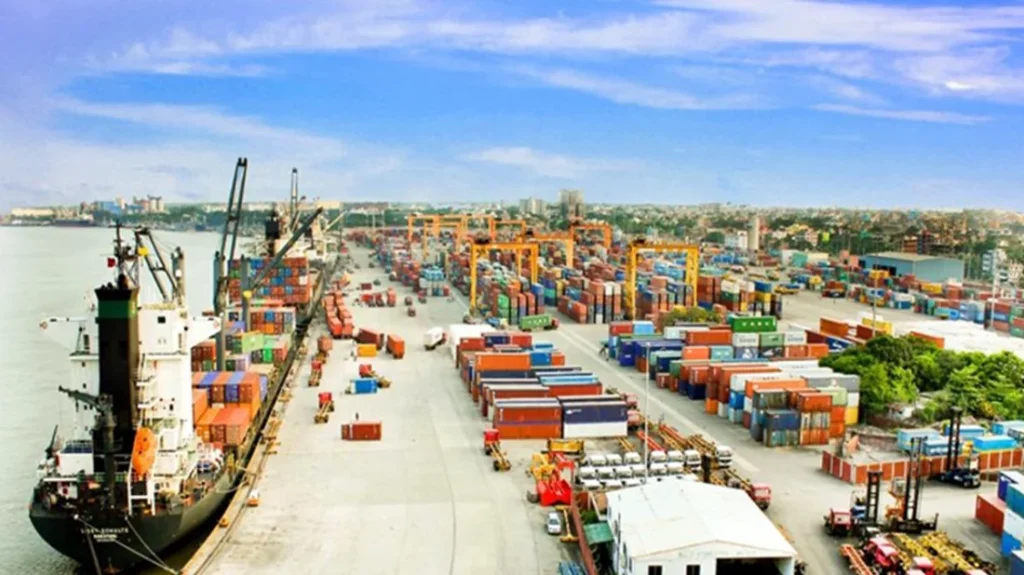
For decades, Chattogram Port has handled the overwhelming majority of Bangladesh’s international trade, often under immense pressure. But the last few years have marked a turning point — a shift from reactive expansion to strategic modernization.
Key transformations shaping the next decade
- Bay Terminal Project: A deep-sea, multi-berth terminal designed to handle larger vessels and dramatically reduce turnaround time. Once operational, it will position Chattogram as a competitive alternative to regional hubs for transshipment.
- Patenga Container Terminal (PCT): A modern terminal built to increase capacity and reduce vessel waiting time — a crucial step in improving global competitiveness.
- Automation and equipment upgrades: New gantry cranes, yard equipment, and digital yard management systems are reducing bottlenecks and improving efficiency.
- Enhanced connectivity: The Dhaka–Chattogram corridor is being strengthened with new expressways, rail upgrades, and inland container depots, ensuring smoother cargo flow.
A modern port is not just infrastructure — it is a multiplier. Every hour saved at the port accelerates manufacturing, reduces logistics costs, and strengthens Bangladesh’s position in global supply chains. Chattogram is no longer catching up; it is preparing to lead.
2. The Rise of Private Logistics Companies: The New Architects of Trade
As the port modernizes, a parallel revolution is happening outside its gates: the rise of agile, tech-driven private logistics companies. From freight forwarders to shipping agents, from trucking fleets to warehouse operators, these firms are becoming the backbone of Bangladesh’s trade ecosystem.
What is driving this rise
- Demand for speed and transparency from exporters and importers.
- Global clients requiring compliance, tracking, and reliability across the supply chain.
- E-commerce growth, pushing for faster and more reliable last-mile delivery.
- Manufacturers expanding capacity, needing integrated logistics partners instead of fragmented services.
How private players are reshaping the industry
- Building smart warehouses with real-time inventory systems.
- Offering end-to-end logistics solutions instead of isolated services.
- Investing in fleet modernization, GPS tracking, and route optimization.
- Creating digital customer portals for documentation and shipment visibility.
- Partnering with global carriers and regional hubs.
Companies with diversified presence in shipping, logistics, and digital platforms represent the new generation of Bangladeshi logistics leadership: strategic, technology-driven, and globally aligned.
3. How Digitalization Is Changing Trade: The Quiet Revolution
The future of trade is not only about ships and terminals. It is about data. Digitalization is quietly rewriting the rules of logistics in Chattogram.
Key digital shifts already underway
- Adoption of electronic Bills of Lading (eBL).
- Port Community Systems (PCS) connecting customs, terminals, shipping lines, and logistics firms.
- AI-driven demand forecasting for cargo flows.
- IoT-enabled container tracking and monitoring.
- Digital customs clearance, reducing paperwork and delays.
- Secure, tamper-resistant documentation using modern digital technologies.
Why digitalization is a game changer
- Reduces corruption and manual errors.
- Speeds up clearance and delivery.
- Lowers logistics costs for exporters and importers.
- Makes Bangladesh more attractive to global buyers.
- Enables small and medium businesses to participate in global trade.
Digital trade is a great equalizer — and Chattogram is becoming its testing ground.
4. Predictions for 2030: What Chattogram Will Become
If current trends continue — and if public and private sectors collaborate with vision — Chattogram in 2030 will look dramatically different.
- A regional transshipment hub: With deep-sea capabilities, Chattogram will attract vessels that currently bypass Bangladesh.
- A fully digital trade ecosystem: Paperless ports, AI-driven logistics, and real-time cargo visibility will become standard.
- A magnet for foreign investment: Manufacturers seeking alternatives in Asia will see Bangladesh as a stable, cost-effective option.
- A thriving logistics industry: Private companies will dominate with integrated, tech-enabled services from warehousing to last-mile delivery.
- A smarter, greener port city: Electric fleets, energy-efficient warehouses, and sustainable port operations will define the new Chattogram.
- A global brand: Chattogram will no longer be known only as a port, but as a symbol of Bangladesh’s rise.
Conclusion: The Decade of Chattogram
Every great port city in history — Singapore, Dubai, Rotterdam — had a moment when its destiny shifted. Chattogram is standing at that moment now.
The next decade will not be shaped by chance. It will be shaped by vision, investment, and leadership. By companies that innovate. By institutions that modernize. By people who believe that Bangladesh can compete with the world — and win.
Chattogram is not just preparing for the future. It is becoming the future.
JAR WORLD LOGISTICS
⭐ JAR Group VerifiedFreight Forwarding | Global Logistics Solutions
JAR HOUSE (5th Floor)
Middle Halishahar, Munshipara
Chattogram-4215, Bangladesh
Part of the JAR Group ecosystem. Providing global freight forwarding, logistics coordination, and supply chain support.