
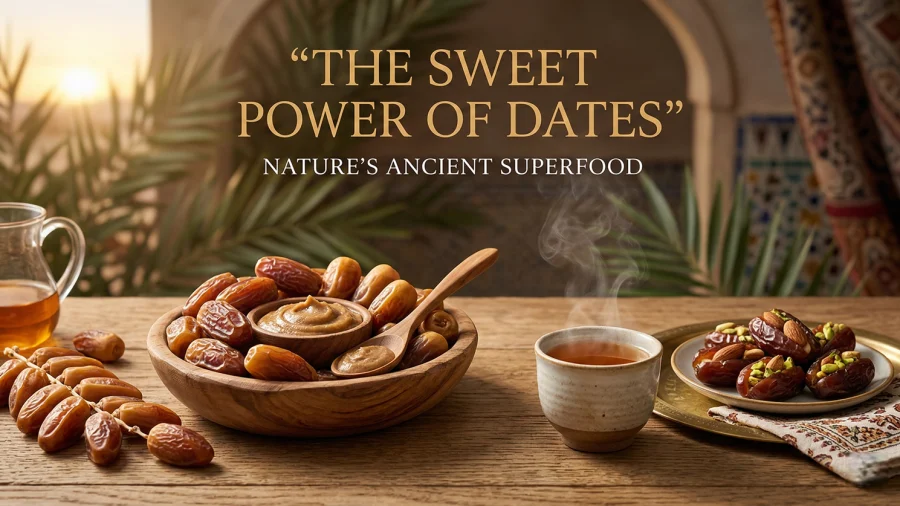
For thousands of years, dates have been treasured across the Middle East and North Africa as both a staple food and a symbol of hospitality. Today, this ancient fruit is gaining renewed global attention—not only for its cultural significance but also for its impressive nutritional benefits and versatility in modern cooking.
From Ramadan gatherings to health-conscious kitchens in Europe and North America, dates are emerging as a natural alternative to refined sugar and a powerful ingredient in contemporary food innovation.
A Natural Sweetener with a Purpose
More than a decade ago, dietitian and chef Renee Chan launched a healthy food brand with a clear philosophy: avoid refined sugar whenever possible. Her brand, which later evolved into Ah Nui Asian Foods, sought natural ways to sweeten foods without compromising health.
Dates became her solution.
Chan explains that her inspiration came partly from personal experience. Her father had diabetes, which motivated her to design foods that were friendly for people managing blood sugar levels. Dates, with their natural sweetness and lower glycaemic index compared to refined sugar, proved to be an ideal ingredient.
She often prefers Deglet Noor dates in cooking. These dates have a slightly firmer texture and a more delicate sweetness than other varieties.
According to Chan’s experience, one Medjool date is roughly equivalent to one teaspoon of sugar in sweetness, while three to four Deglet Noor dates provide a similar level of sweetness. Pasted text
This makes them an excellent ingredient for recipes where a balanced sweetness is needed.
Transforming Dates into Culinary Ingredients
One of the most popular ways to use dates in modern cooking is by making date paste.
Chan blends dates into a thick paste without adding water. This technique helps prevent mould from forming quickly and extends the shelf life of the paste. The result is a naturally sweet, rich ingredient that can be added to a wide range of dishes.
Date paste works well in:
- Granola mixes
- Plant-based sauces such as hoisin or oyster sauce
- XO sauce
- Thai curries
- Traditional desserts
In baking, dates provide both sweetness and moisture. They are often used in banana bread, carrot cake, zucchini bread, and cinnamon buns.
Even bread making can benefit from dates. When yeast is activated, bakers usually mix sugar with warm water. Chan instead blends dates with warm water to create a natural “date juice,” which feeds the yeast while adding subtle sweetness and a darker color to the bread.
The tiny speckles visible in the finished bread create a wholesome appearance that many consumers associate with healthier food.
Nutritional Benefits of Dates
Dates are more than just a sweet treat. They are packed with essential nutrients that support overall health.
The fruit contains:
- High levels of dietary fibre
- Potassium (about 50% more per weight than bananas)
- Magnesium
- Copper
- Vitamin B6
- Calcium
- Vitamin K
- Iron Pasted text
Despite their sweetness, dates are naturally low in fat and contain valuable antioxidants.
For people seeking healthier sugar substitutes, dates offer a major advantage. While they still provide energy through natural sugars, they also deliver fibre and minerals that refined sugar lacks.
This combination helps slow the release of sugar into the bloodstream, making them a more balanced choice for many diets.
From Ancient Palms to Global Markets
Dates have been cultivated for thousands of years, especially across the Middle East and North Africa.
Today, around 1,500 varieties of dates are grown worldwide in regions such as:
- Egypt
- Saudi Arabia
- Algeria
- Iran
- South Asia
- Australia
- California in the United States Pasted text
Date palms are remarkable trees. They can grow up to 30 metres tall and live for more than 100 years if properly cared for.
However, patience is required. A date palm typically takes four to eight years before it begins producing fruit. Once mature, a single tree can yield between 70 and 140 kilograms of dates per year.
The fruit grows in clusters high on the palm tree, creating the iconic golden and brown bunches often seen in photographs from desert regions.
A Growing Global Demand
Retailers and food entrepreneurs have noticed a steady rise in demand for dates in Western markets.
Amir Hosh, principal of Ayoub’s Dried Fruits & Nuts in Vancouver, has observed the trend firsthand. His stores sell roughly one tonne of dates every month.
He believes the popularity is driven by a simple reason: people still crave sweetness, but many want healthier alternatives.
Replacing refined sugar with dates offers a natural solution. Dates provide sweetness along with fibre and minerals, making them nutritionally superior to plain sugar.
Another advantage is their versatility. Dates can be eaten fresh, dried, blended into syrup, or incorporated into desserts and savoury dishes.
Date syrup, for example, has a consistency similar to maple syrup. It is commonly used in salad dressings, roasted vegetables, and baked goods.
A Cultural Tradition
In the Middle East, dates hold deep cultural significance.
They are traditionally eaten during Ramadan, especially at Iftar, the meal that breaks the daily fast. The fruit’s natural sugars provide a quick source of energy after long hours without food.
Dates are often served with tea or coffee and are sometimes stuffed with nuts such as almonds, walnuts, or pistachios.
Another popular preparation is the date roll, where mashed dates are mixed with nuts and shaped into long logs. These are sliced into small pieces and rolled in shredded coconut, creating bite-sized sweets.
These traditions continue today while inspiring new culinary uses across the world.
Popular Date Varieties
Although many people are familiar with dates, fewer realize the wide range of varieties available.
Some of the most popular include:
Medjool
Large, soft, and extremely sweet, Medjool dates have a caramel-like flavor. They are among the most widely consumed varieties worldwide.
Deglet Noor
Known as the “date of light,” this variety has a firm texture and delicate honey-like sweetness, making it excellent for cooking.
Barhi
Round and buttery, Barhi dates can be eaten fresh or dried. Semi-ripe Barhi dates have a distinctive butterscotch flavor.
Halawi
A medium-sized date with a caramel taste and fibrous texture.
Sukkary
Often called “royal dates,” Sukkary dates have a rich honey flavor and are popular during Ramadan.
Zahidi
Semi-dry and light brown, Zahidi dates have a flavor similar to dried apricots and are widely grown due to their high yield.
A Sweet Future
As global interest in natural foods continues to rise, dates are likely to become even more popular.
From traditional desserts to innovative health products, this ancient fruit is proving its value in modern cuisine.
For chefs, nutritionists, and home cooks alike, dates offer something rare: a natural ingredient that is both delicious and nutritious.
In a world increasingly focused on healthier living, the humble date may be one of nature’s most powerful—and sweetest—gifts.