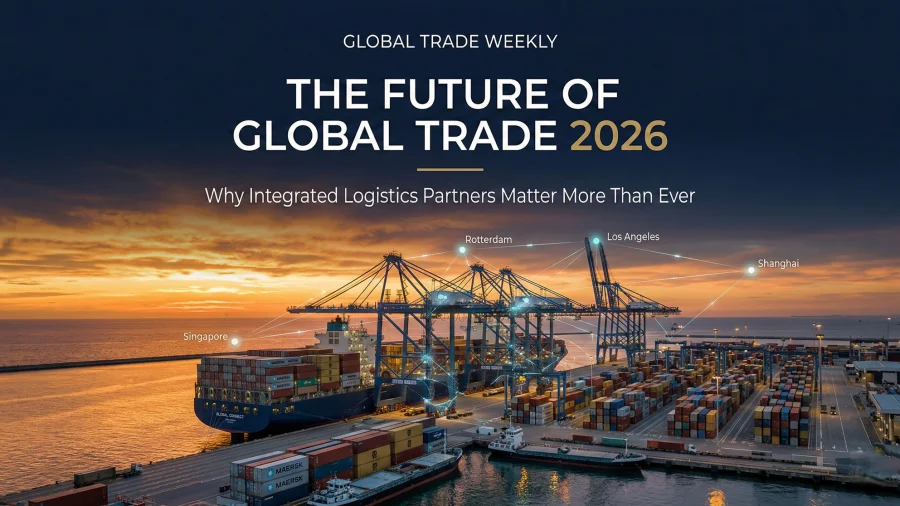
Global trade is entering a new era. In 2026, businesses are no longer competing only on product quality or pricing — they are competing on speed, reliability, compliance, and operational intelligence. The backbone of this transformation is integrated logistics.
As supply chains become more complex and interconnected, companies that rely on fragmented service providers often face delays, compliance risks, and higher operational costs. The future belongs to businesses that partner with structured, multi-service logistics organizations.
1. Supply Chain Complexity Is Increasing
International trade routes are shifting. New trade corridors are emerging across South Asia, Africa, and the Middle East. With rising geopolitical adjustments and regulatory updates, businesses require partners who understand global documentation, customs processes, and port operations.
Integrated logistics partners combine shipping, freight forwarding, customs clearance, and documentation management under one operational structure.
2. Port Efficiency & Digital Transformation
Modern ports are investing heavily in automation and digital tracking systems. However, businesses must align their documentation and cargo handling with these systems to avoid costly delays.
A structured logistics partner ensures:
Accurate cargo documentation
Real-time shipment tracking
Reduced demurrage and storage charges
Faster vessel turnaround
Efficiency today is not optional — it is strategic.
3. Compliance & Risk Management
Global trade regulations are tightening. Errors in import-export documentation can result in penalties, shipment holds, or cargo loss.
Integrated logistics teams provide:
Regulatory compliance checks
HS code accuracy
Customs advisory support
Transparent communication
Compliance reduces risk — and risk reduction increases profitability.
4. Crew & Maritime Support Services
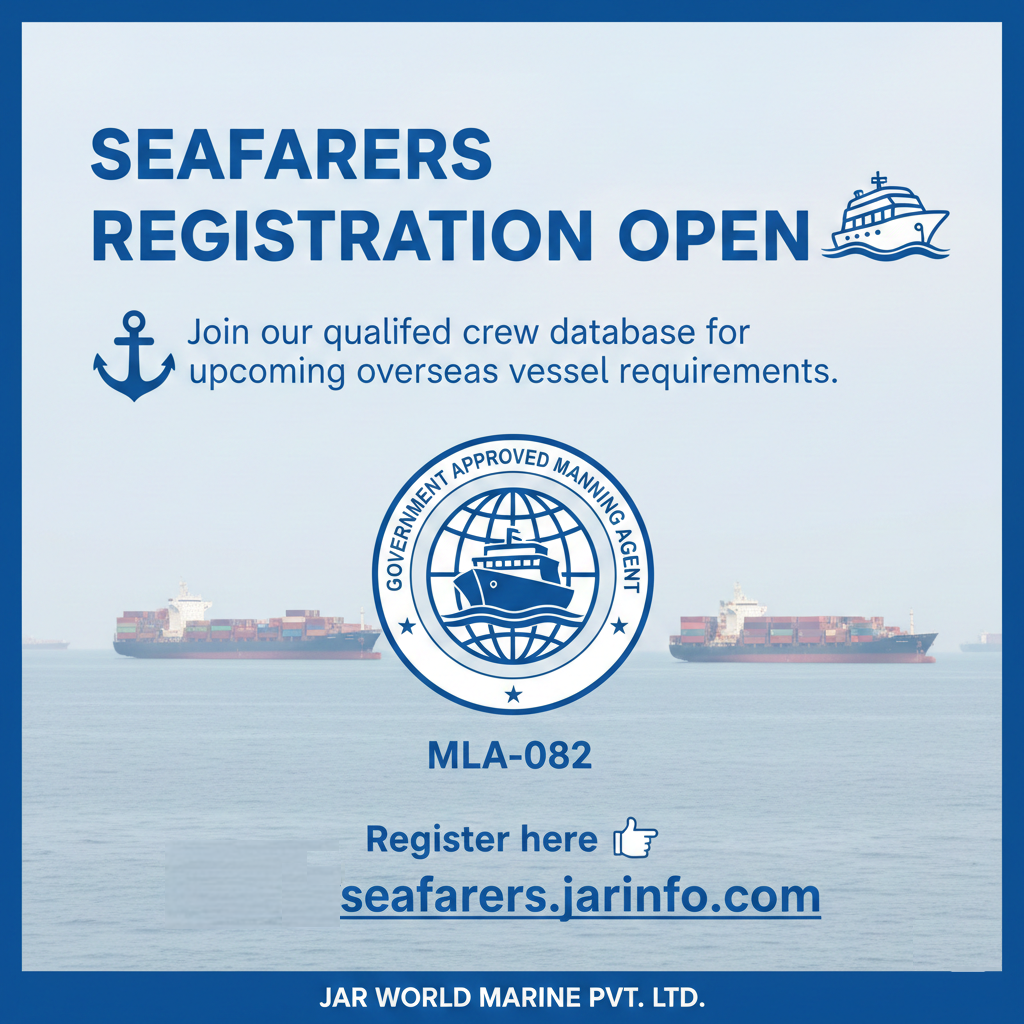
In maritime trade, vessel operations require structured crew management and certified recruitment. Without proper compliance, vessels can face delays or legal complications.
Professional seaman recruitment agencies ensure:
STCW-certified crew
Visa compliance
Contract transparency
Timely crew rotation
Maritime efficiency strengthens the entire supply chain.
5. Why Bangladesh Is Positioned for Growth
Bangladesh continues to expand its shipping and port infrastructure. Chattogram Port remains a critical gateway for South Asian trade, while logistics modernization is improving cargo flow.
With strategic geographic positioning and expanding industrial output, Bangladesh is evolving from a manufacturing base into a regional logistics connector.
Final Insight
The future of global trade belongs to structured logistics ecosystems — not isolated services. Businesses that align with integrated logistics partners gain speed, reliability, compliance strength, and long-term operational stability.
In 2026 and beyond, efficiency will define leadership.