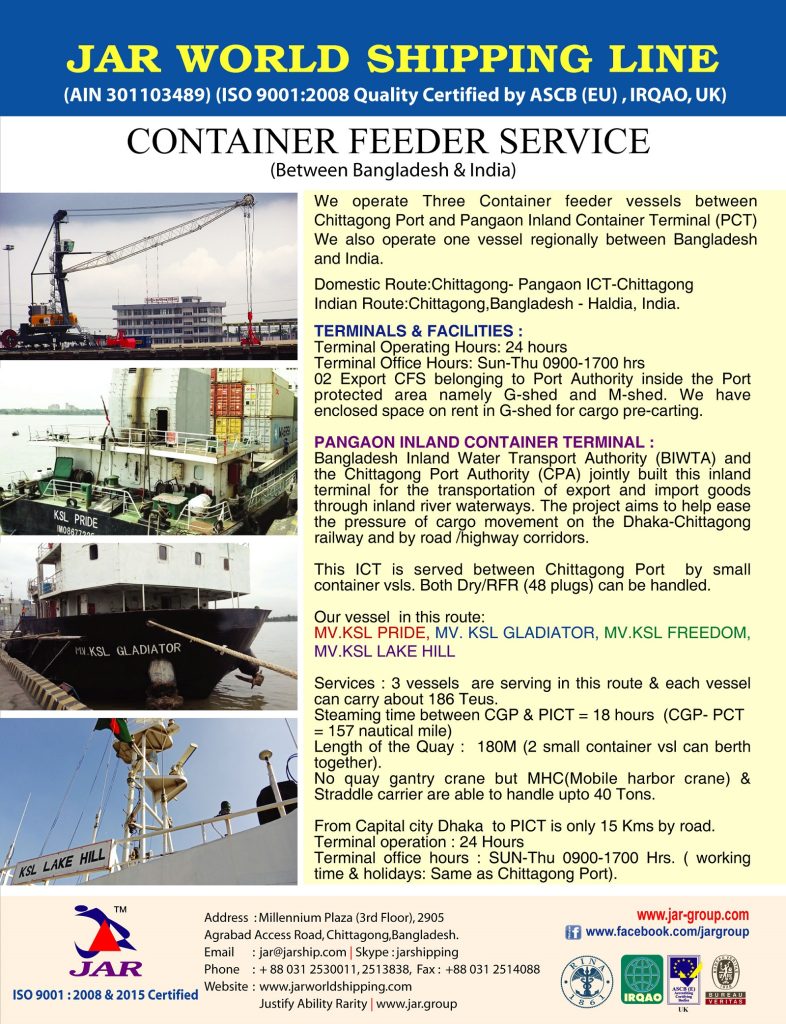
Chattogram Port — Bangladesh’s Primary Maritime Hub
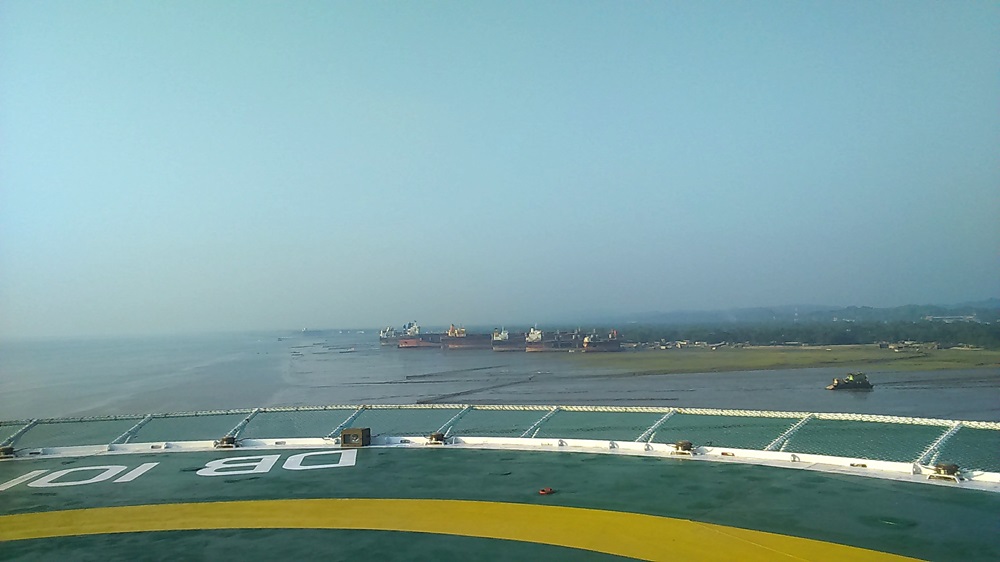
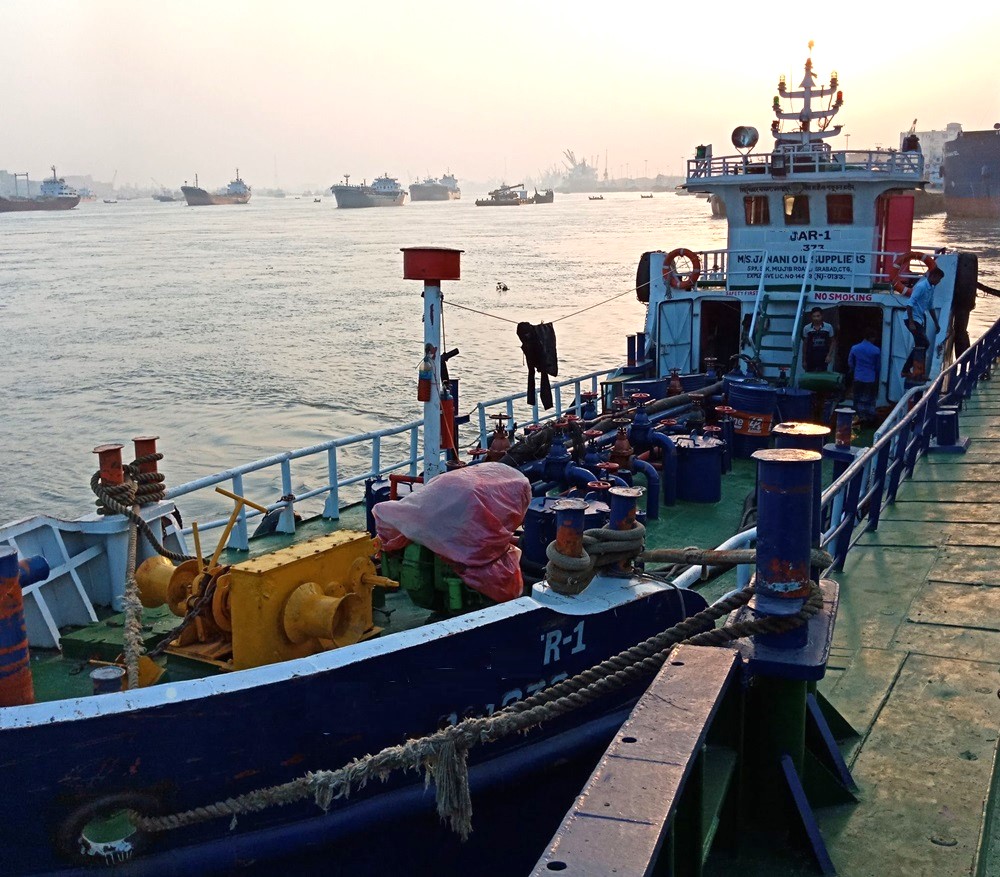
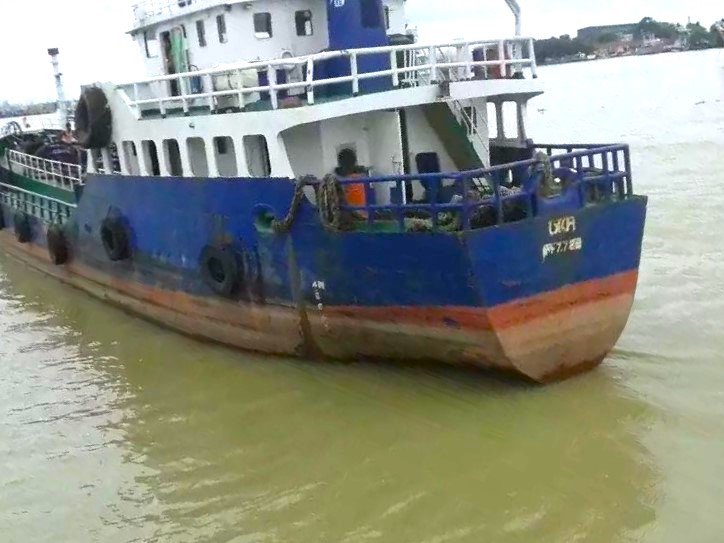
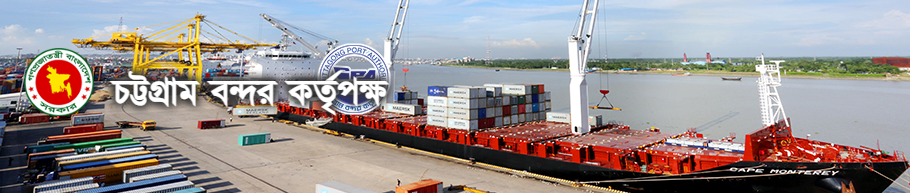
Chattogram Port (formerly Chittagong Port) is the principal maritime gateway for Bangladesh, handling more than 80% of the country’s import and export cargo. Located along the Karnaphuli River, the port connects Bangladesh with major global shipping routes through the Bay of Bengal.
JAR World Shipping Line provides top-tier vessel handling, husbandry, bunkering, crew change, and spares logistics.
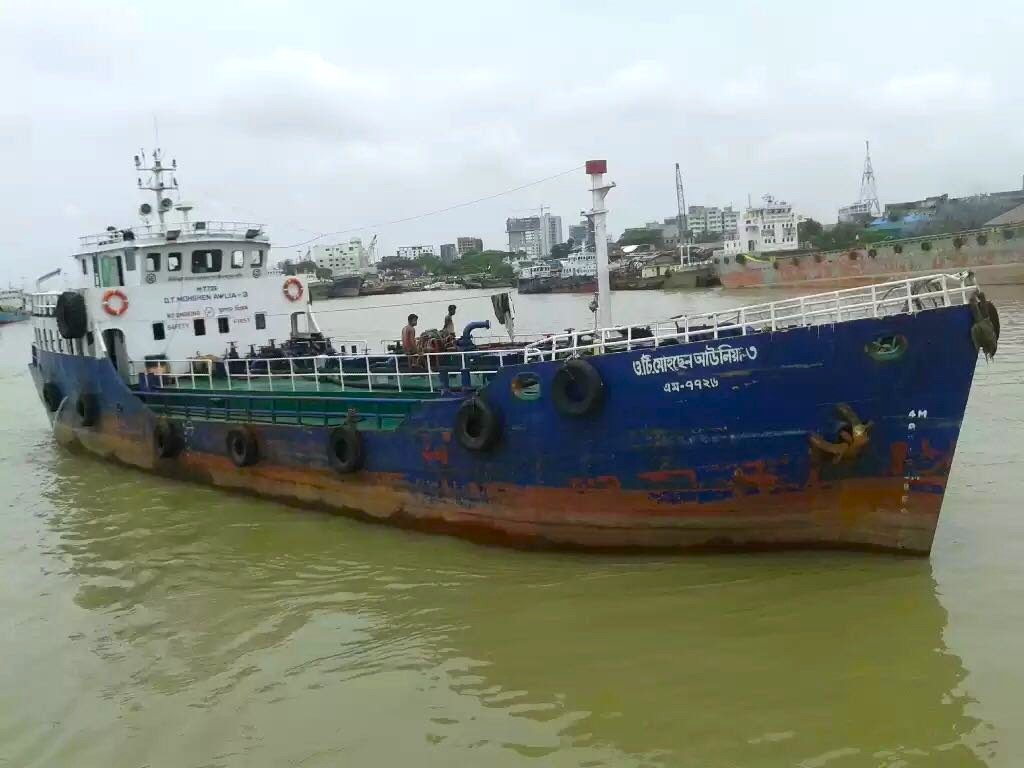
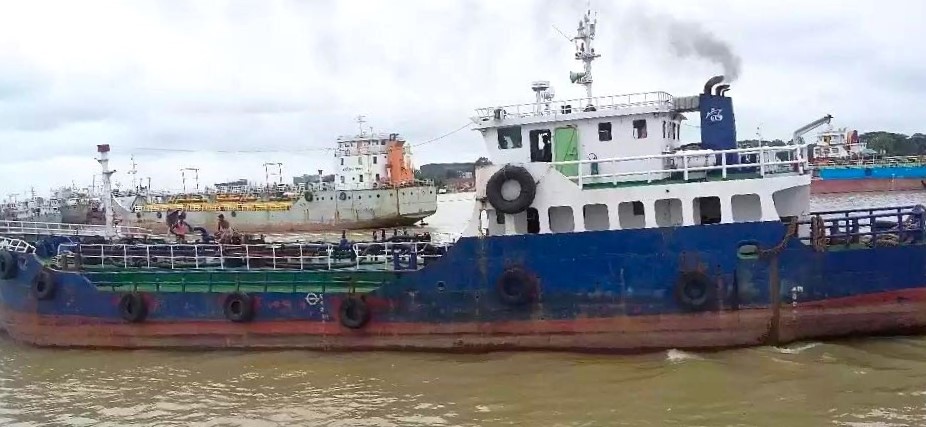
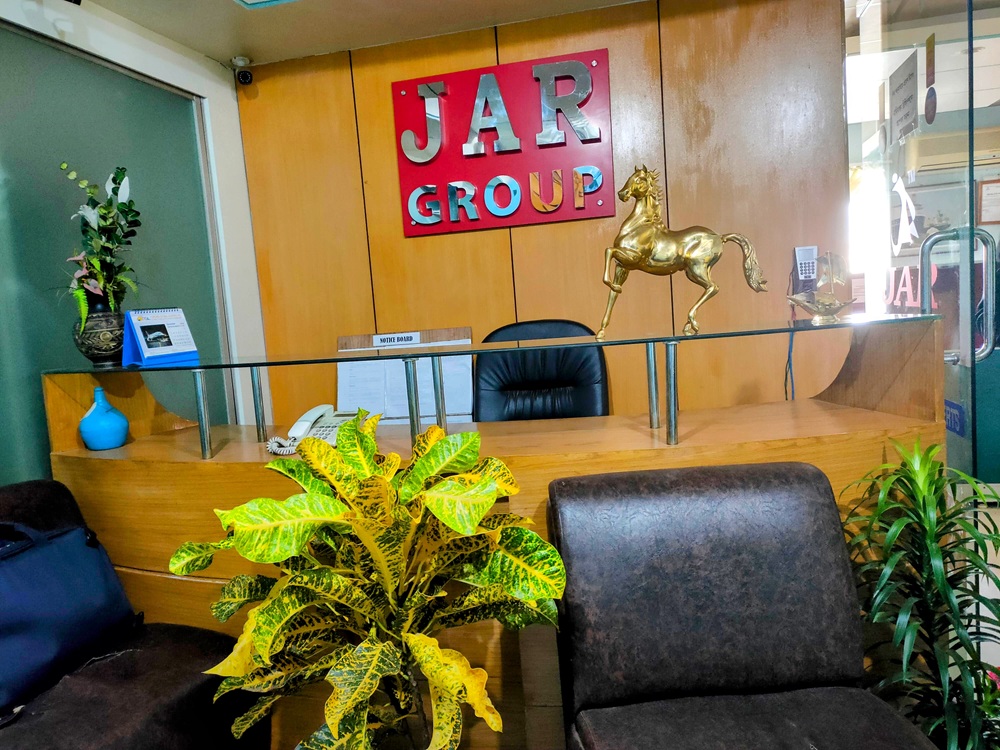
Additional Port & Marine Operation Images
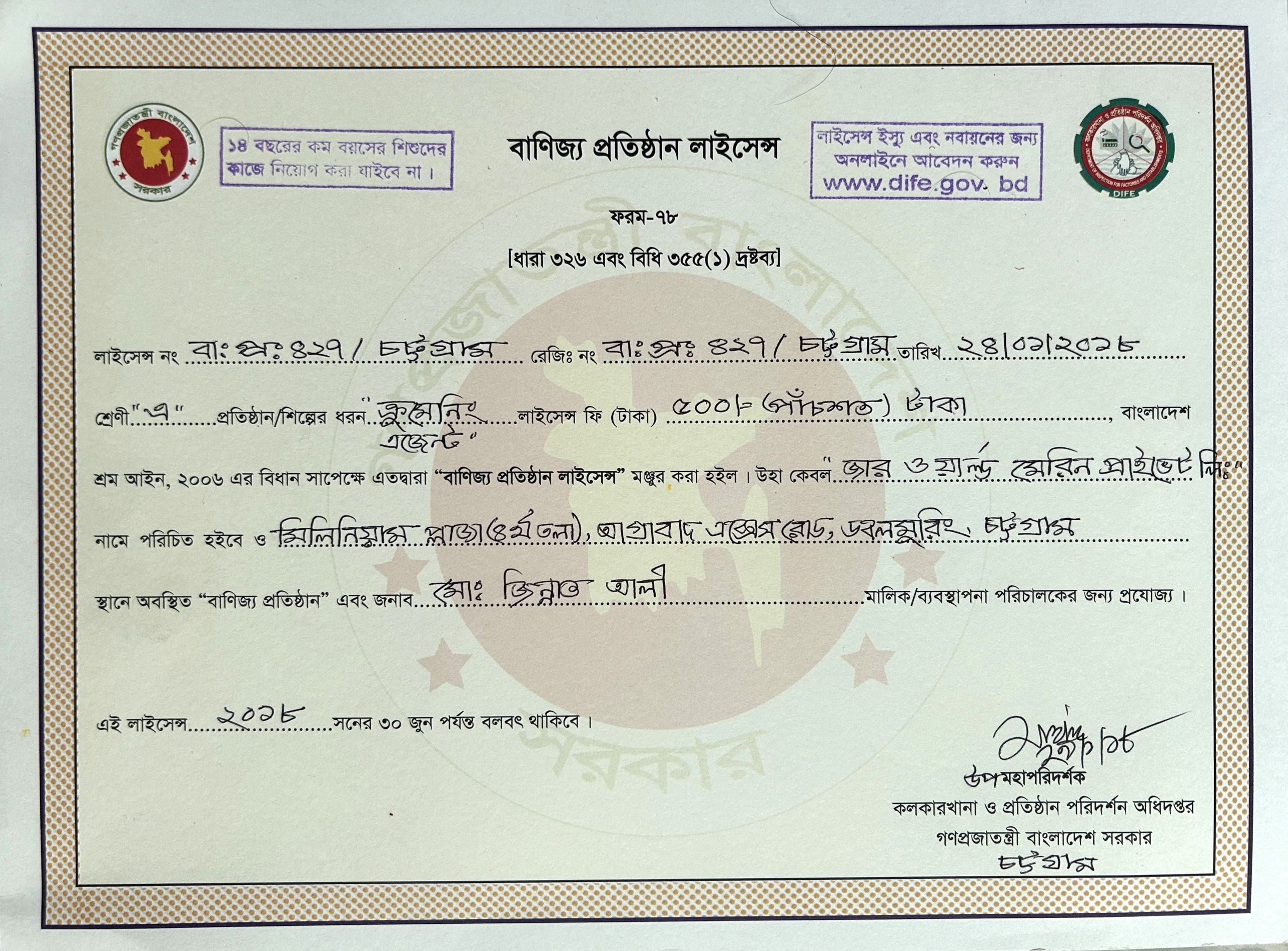
Certifications & Government Affiliations


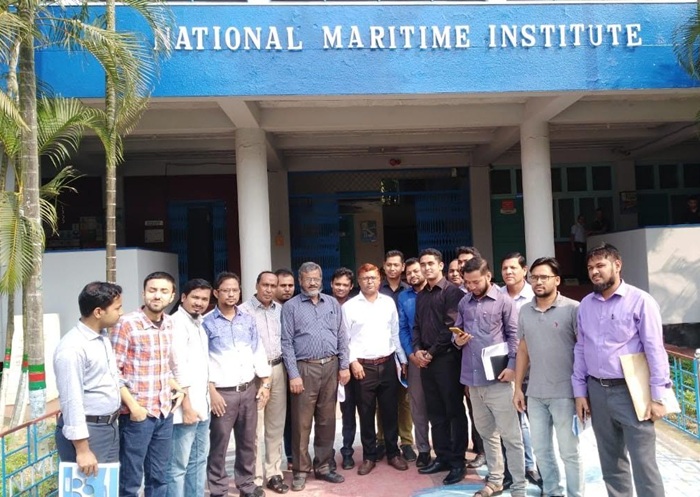
Crew, Manning & Compliance



Key Services We Provide
• Full Port Agency (Bulk • Tanker • Container • General Cargo) • Husbandry Services (CTM • Crew Change • Provisions) • Bunkering & Lub Oil Coordination • Ship Spares Clearance & Onboard Delivery • Project Cargo Handling • Customs & Documentation Support • Marine Logistics & Towage Coordination
Official Port Authority
Chattogram Port Authority (CPA) governs and operates the port. Official Website: https://cpa.gov.bd/
Need Port Agency Support?
Reliable, fast & compliant port agency services across Chattogram, Mongla & Payra.
Visit JAR World Shipping Line📩 Email: bd@jarinfo.com
Chattogram Port
Gateway to Bangladesh & South Asia
Chattogram (Chittagong) Port is the main seaport of Bangladesh and one of the busiest ports in South Asia. Located on the banks of the Karnaphuli River, it plays a vital role in the country’s economy by handling a significant portion of import and export activities and serving as a key regional maritime hub.
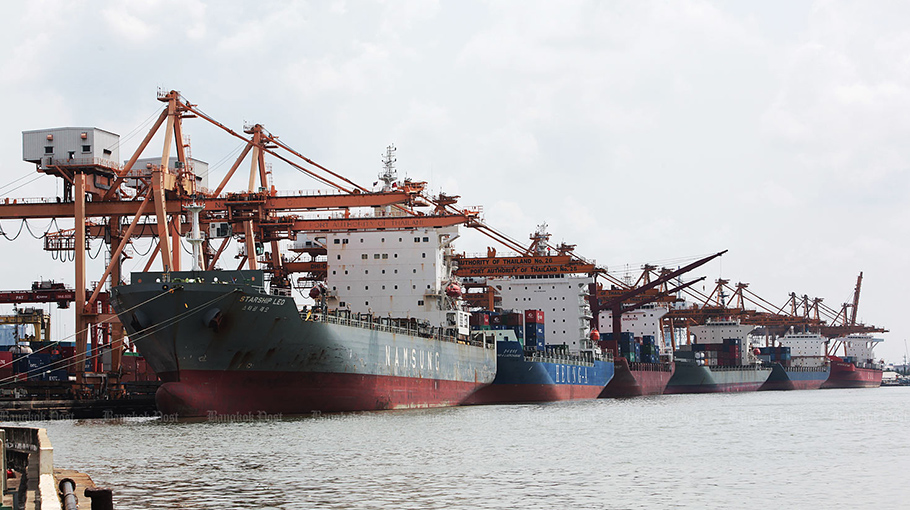
Overview of Chattogram Port
Chattogram (Chittagong) Port is the primary seaport of Bangladesh and one of the busiest ports in South Asia. Its strategic location on the Karnaphuli River makes it a key hub for maritime trade in the region, connecting Bangladesh with major global shipping routes.
More details about Chattogram Port: https://cpa.gov.bd/
Key Features
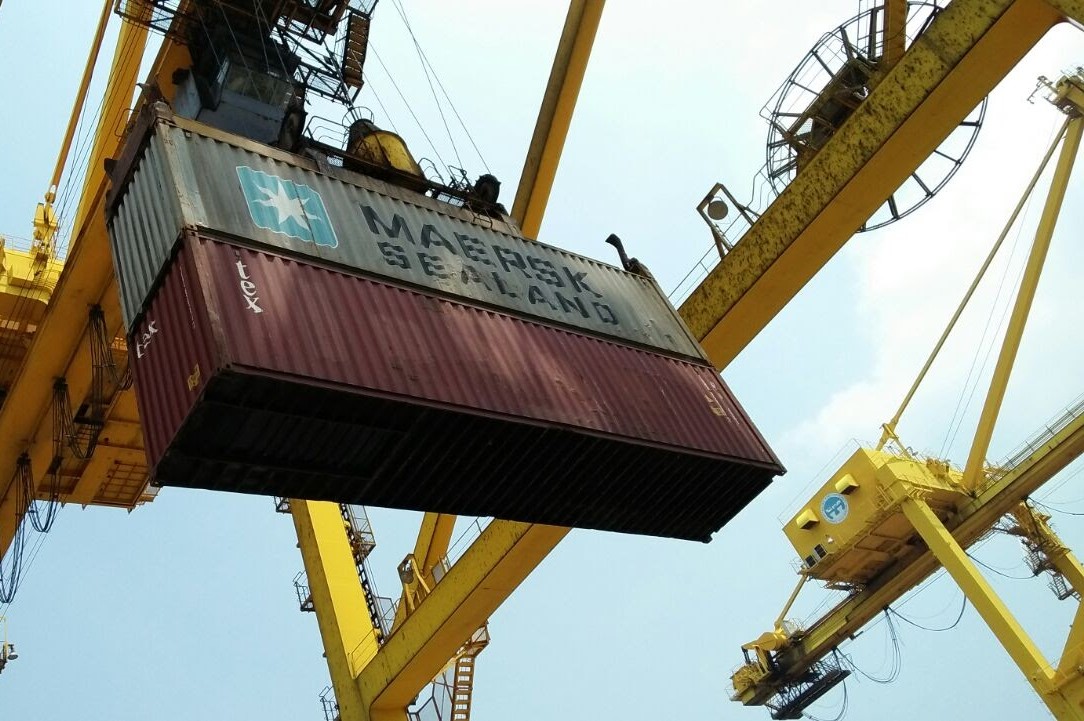
Container Terminal: The port has several container terminals equipped to handle a large volume of containers, which is essential for modern trade.
Bulk Handling: It can handle various types of bulk cargo, including grain, coal, and cement.
Dockyard: The port includes a dockyard for ship repairs and maintenance.
Economic Impact
Trade Hub: As the primary port, it handles around 90% of Bangladesh’s import and export trade.
Employment: It generates significant employment opportunities, directly and indirectly, supporting thousands of jobs in the region.
Revenue: The port is a major source of revenue for the government through tariffs, taxes, and fees.
Infrastructure & Connectivity
Modernization Projects: Continuous efforts are underway to modernize the port’s infrastructure, increase efficiency and capacity, and introduce advanced cargo handling equipment.
Connectivity: The port is well connected by road and rail networks, ensuring smooth movement of goods to and from the hinterland.
Challenges
Congestion: High traffic volumes can lead to congestion and delays, especially during peak seasons.
Environmental Concerns: Like many busy ports, it faces environmental challenges, including water pollution and the need for more sustainable operations.
Future Plans
Expansion: Ongoing plans aim to expand capacity to handle larger volumes of cargo and bigger vessels.
Technology Integration: Increasing use of technology for better management and operations is a key focus area.
Historical Significance
Ancient Trade Route
The port area has been a significant hub for trade since ancient times, with historical records indicating its use by Arab, Persian, and Chinese traders. This long history makes Chattogram Port an integral part of regional maritime heritage.
British Era & World War II
During the British colonial period, the port underwent major development to support increased trade and military logistics. It played a crucial role during World War II as a strategic base.
Modern Development
Expansion Projects
Recent expansion projects include the construction of new terminals and berths to increase capacity and reduce congestion.
Private Sector Involvement
Increased private sector participation in managing and operating various facilities has helped improve efficiency, service quality and competitiveness.
Environmental Initiatives
Sustainability Efforts
The port authority is implementing measures to reduce its environmental footprint, including green technologies and cleaner practices in port operations.
Pollution Control
Efforts are underway to control water and air pollution, with stricter regulations, waste management systems and monitoring programs.
International Relations
Regional Hub
Chattogram Port serves as a regional hub, connecting Bangladesh with neighboring countries such as India, Myanmar and beyond. It plays a vital role in regional trade agreements and economic partnerships.
Port Collaborations
The port collaborates with other major ports in the region to share best practices and improve operational standards.
Future Vision
Digital Transformation & Smart Port
There is a strong focus on digitalizing port operations to enhance transparency, reduce processing times and improve overall efficiency. Efforts are being made to transform Chattogram Port into a “smart port”.
Technologies like IoT (Internet of Things), AI (Artificial Intelligence) and blockchain are being explored or integrated for secure, data-driven and transparent transactions.
Port City Development
Plans are in place to develop the surrounding area into a modern port city, with improved infrastructure, housing and business opportunities, creating a thriving economic zone around the port.
Technological Advancements
Automated Systems: Automated cargo handling systems help speed up loading and unloading processes.
Port Management Software: Advanced software is used to streamline operations, track cargo and manage logistics.
Security Measures
Surveillance: Comprehensive surveillance systems with CCTV and patrolling ensure safety and security.
Customs & Inspection: Stringent customs procedures and inspections help prevent smuggling and ensure compliance with international regulations.
Naval Presence: The nearby presence of the Bangladesh Navy provides an additional layer of security and anti-piracy protection.
Human Resources & Safety
Training Programs: Regular training keeps port workers updated with modern technologies and safety protocols.
Health & Safety: Strict standards protect the workforce, supported by medical facilities and emergency response teams.
Community & Environmental Impact
Local Economy & CSR
The port significantly boosts the local economy by creating business opportunities and attracting investment. The port authority engages in Corporate Social Responsibility (CSR) activities, including community development, education and environmental conservation.
Environmental Protection & Green Initiatives
Green initiatives include the use of renewable energy, waste recycling and emission reduction measures.
Mangrove Restoration: Efforts are underway to restore and protect mangrove forests around the port area, which are vital for coastal protection and biodiversity.
Cultural & Social Impact
With a rich history of trade, the port has influenced local culture and heritage, reflecting connections with multiple civilizations that traded through Chattogram.
Port Statistics & Global Trade
Cargo Throughput: The port handles millions of tons of cargo annually, including containerized, bulk and liquid bulk cargo.
Ship Traffic: Thousands of ships call at the port each year, making it a bustling hub of maritime activity.
Revenue Generation: The port generates substantial revenue through tariffs, fees and services, contributing strongly to the national economy.
Global Trade Connections
Chattogram Port handles trade with major global economies such as China, the United States, India and the European Union, acting as a critical link in the global supply chain.
Multiple international shipping lines provide regular services to and from major ports around the world, ensuring reliable connectivity.
International Recognition
The port has received various international awards and certifications for efficiency, safety and environmental practices. It is also a member of several international port associations, helping it stay aligned with global best practices.
Governance & Administration
The Chittagong Port Authority (CPA) is responsible for administration, management and development of the port, ensuring efficient operations and adherence to international standards.
The port operates under strict regulations and guidelines focused on safety, security and environmental protection, which are updated regularly to match global benchmarks.
Infrastructure & Facilities
Terminals: Specialized terminals handle containers, bulk cargo and oil, equipped with modern facilities and equipment.
Warehousing: Extensive warehousing space supports safe and efficient storage of goods.
Cold Storage: Perishable goods like fruits, vegetables and seafood benefit from dedicated cold storage facilities.
Economic Zones & Development Projects
Special Economic Zones (SEZs): SEZs around the port attract foreign investment and promote industrialization, offering incentives such as tax breaks and simplified regulations.
Deep Sea Port Project: Plans to develop a deep-sea port aim to accommodate larger vessels and enhance regional competitiveness.
Environmental Protection
The port authority promotes green initiatives including renewable energy use, waste recycling and emission reduction, while supporting biodiversity conservation along the coast.
Chattogram Port — Visual Snapshot
Animated image grid · Full-visible images · White background · No cropping
JAR WORLD SHIPPING LINE , Please visit : www.jarship.com