
Bay Terminal — Future Deep-Water Gateway for Chattogram Port
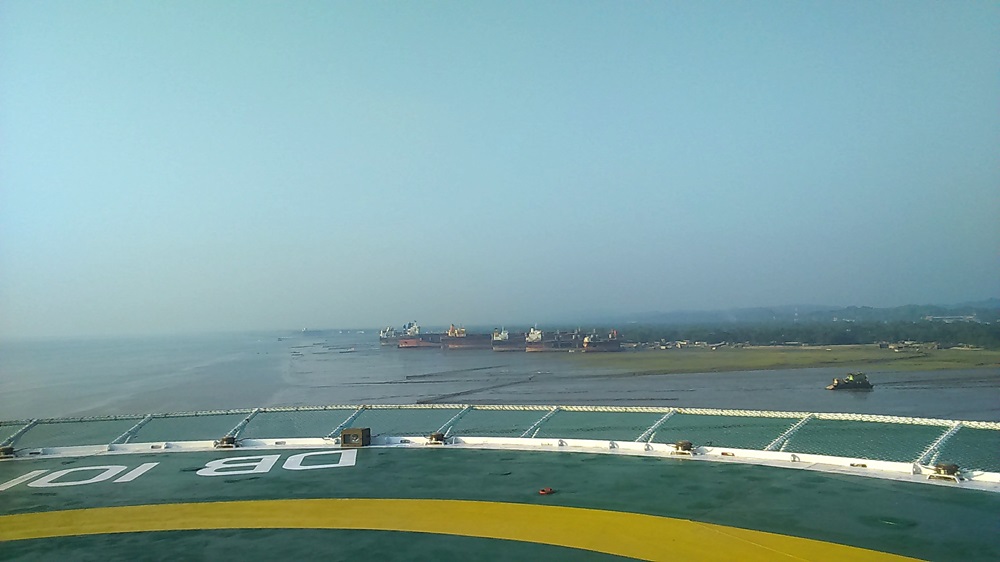
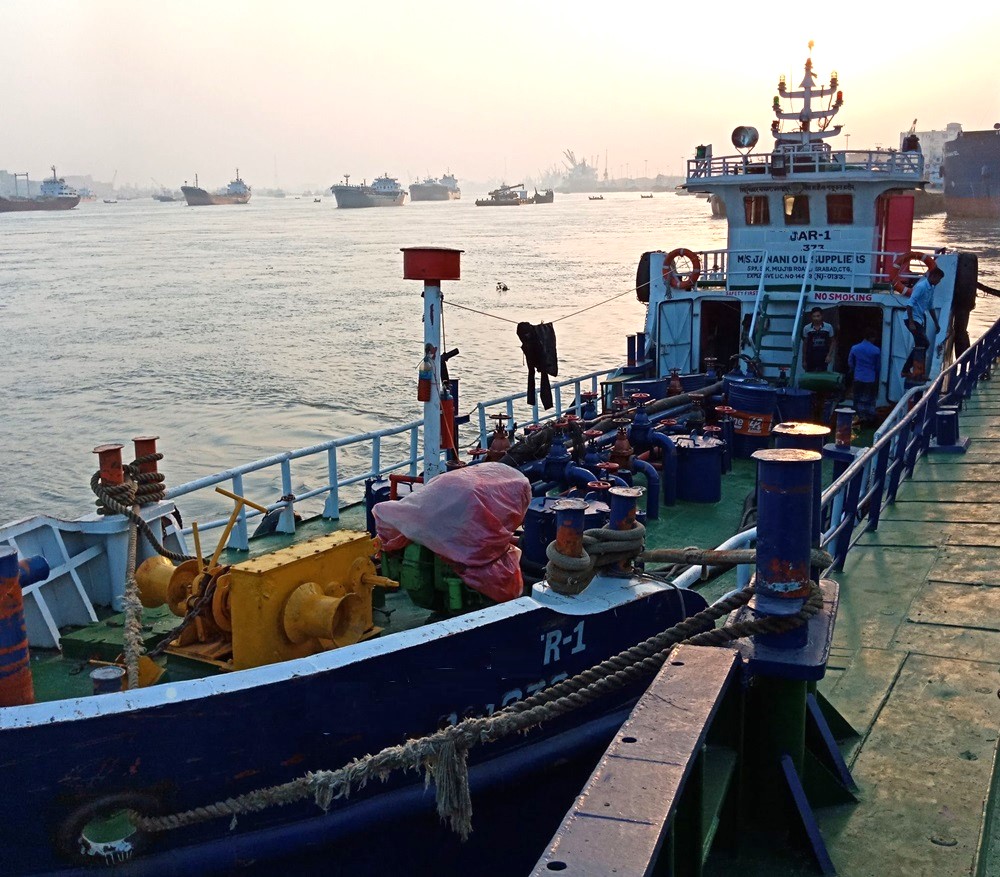
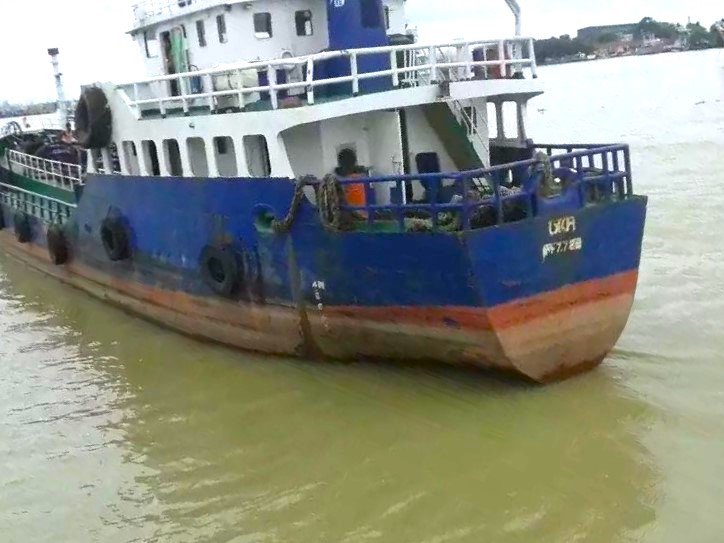
Bay Terminal is a landmark expansion project under the Chattogram Port Authority (CPA), planned on the coast of the Bay of Bengal at Ananda Bazar, North Halishahar, near Patenga. Designed as a modern container and multipurpose port complex, it aims to significantly increase the handling capacity of Chattogram Port and support Bangladesh’s growing trade. :contentReference[oaicite:0]{index=0}
The project will be developed on approximately 1,200 acres, featuring multiple terminals, a long offshore breakwater, and a dedicated access channel in the Bay. It is being implemented under public–private partnership (PPP) with international terminal operators and financial institutions. :contentReference[oaicite:1]{index=1}
JAR World Shipping Line is preparing to offer integrated port agency, feeder co-ordination, bunkering and logistics solutions once Bay Terminal becomes operational, connecting directly with existing services at Chattogram, Mongla and Payra.
Project Overview & Objectives
Bay Terminal has been conceived to:
• Increase overall port capacity of Chattogram by adding new deep-water berths
• Reduce congestion in the existing river-based jetties and city road network
• Handle larger container vessels with higher TEU capacity directly at the Bay :contentReference[oaicite:2]{index=2}
• Improve reliability and turnaround time for mainline and feeder services
• Support the long-term trade ambitions and blue-economy strategy of Bangladesh :contentReference[oaicite:3]{index=3}
Design, Draft & Capacity
Key design features of the Bay Terminal concept include: :contentReference[oaicite:4]{index=4}
• Construction of an offshore breakwater of around 11 km to protect the harbour basin
• Dredged navigational access channel for safe approach of larger vessels
• A multi-purpose terminal and at least two container terminals in the initial phase
• Ability to accommodate vessels of up to 12 m draft and approximately 280 m length
• Capability to berth ships with carrying capacity of around 6,000 TEU, compared with present limits of about 2,000 TEU at existing jetties
• Potential to double the handling capacity of Chattogram Port when fully developed :contentReference[oaicite:5]{index=5}
Future Operations, Feedering & Bunkering
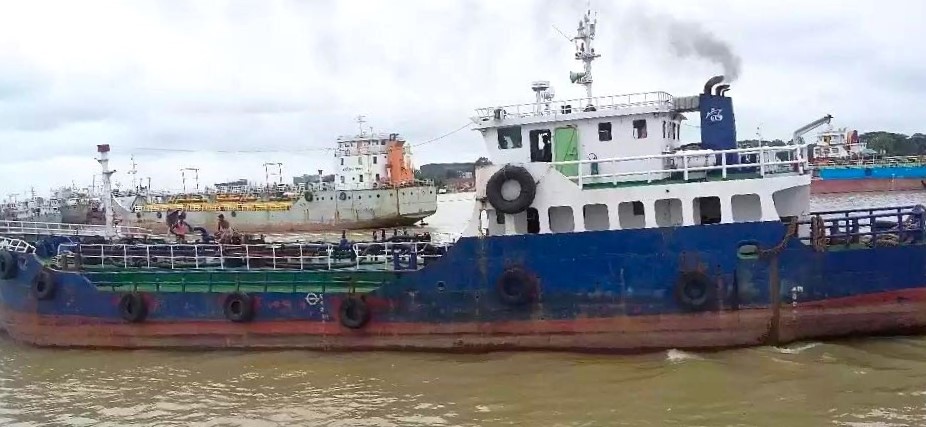
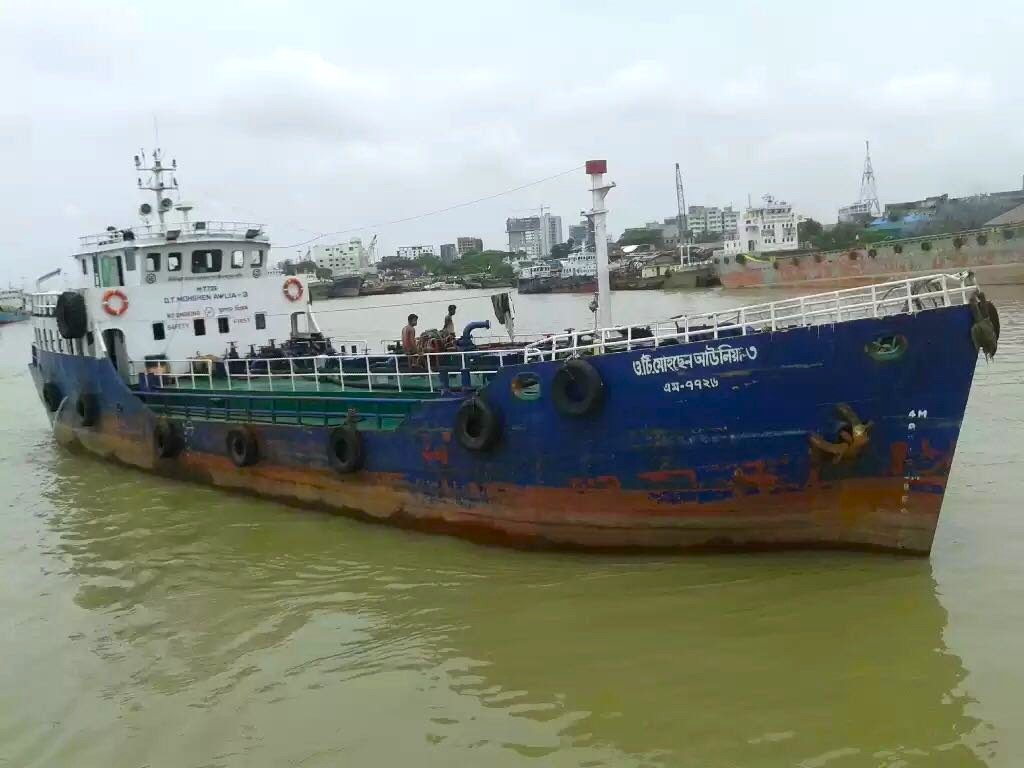
Once operational, Bay Terminal is expected to function as a direct feeder and possibly mainline call port, with improved draft and quay length to attract larger vessels. Feeder networks, barge systems and coastal shipping will all benefit from enhanced berthing windows and shorter waiting times. :contentReference[oaicite:6]{index=6}
JAR GROUP plans to integrate Bay Terminal into its wider marine service portfolio:
• Port Agency & Protective Agency for container, bulk and multipurpose vessels
• Bunkering coordination and lub oil supply via trusted suppliers
• Ship spares logistics (air/sea clearance and on-board delivery)
• Project cargo and heavy-lift supervision for terminal and hinterland projects
• Inland and cross-border logistics connecting Bay Terminal with Dhaka, North-East India and beyond
PPP Development, Global Partners & Investment
Bay Terminal is being advanced under a Government-to-Government (G2G) PPP framework and other PPP structures, with international partners including PSA International, global financiers such as the International Finance Corporation (IFC), and terminal operators like APM Terminals associated with different components of the overall expansion of Chattogram Port. :contentReference[oaicite:7]{index=7}
Connectivity, Corridors & Supporting Infrastructure
The Bay Terminal area will be linked to critical transport infrastructure including: :contentReference[oaicite:8]{index=8}
• Chattogram–Dhaka Highway and regional road network for inland distribution
• Future rail links under broader port master plans
• Integration with the Karnaphuli Tunnel, improving access between Patenga and the south bank
• Proximity to Patenga, the existing port area and Export Processing Zones (EPZs)
Compliance, Certifications & JAR GROUP Presence


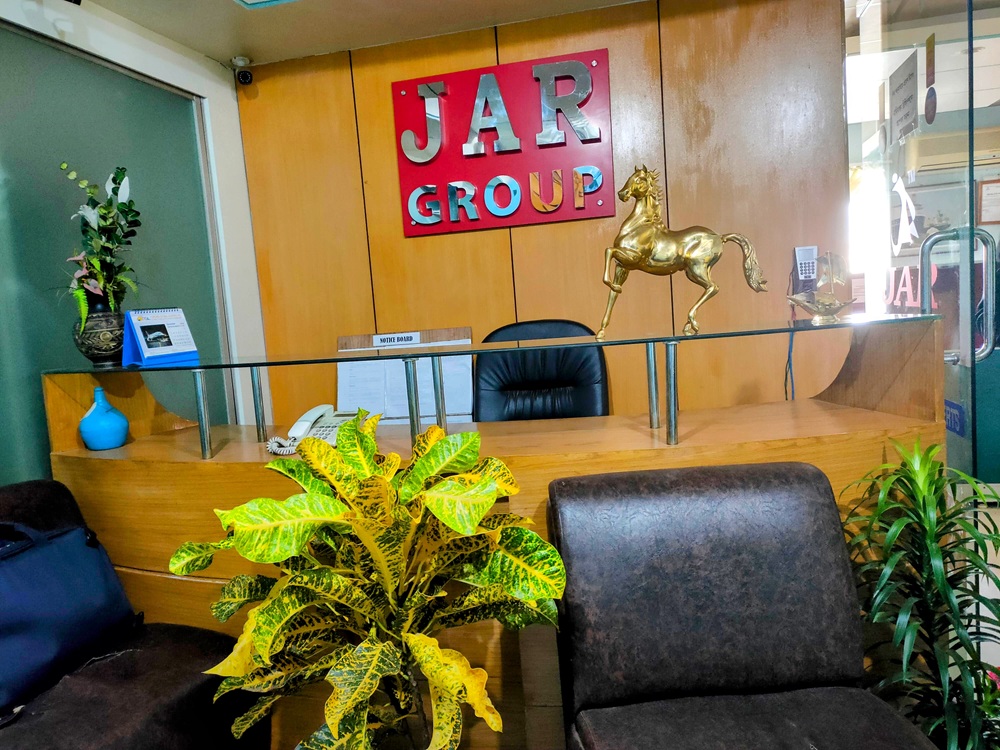
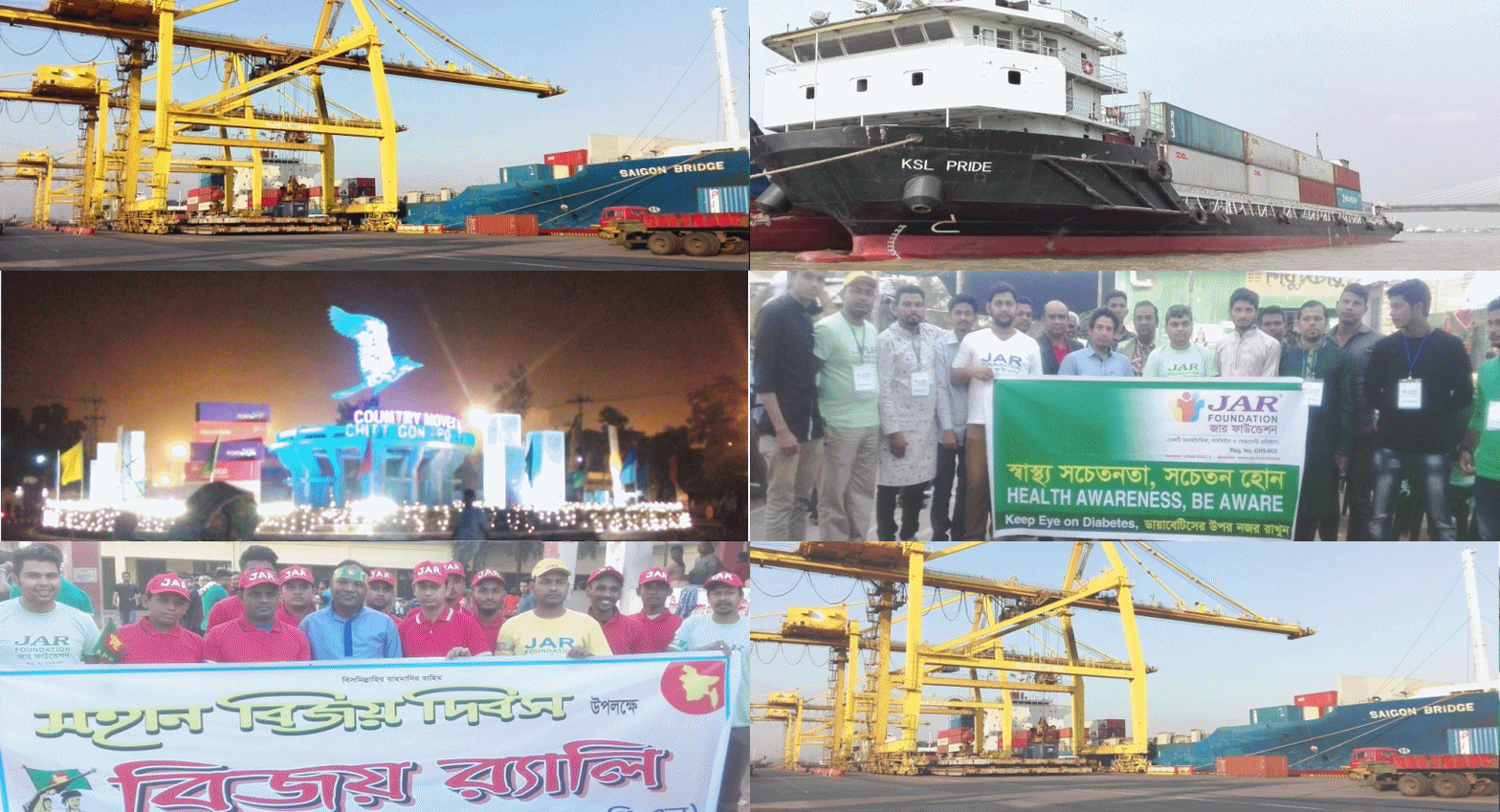
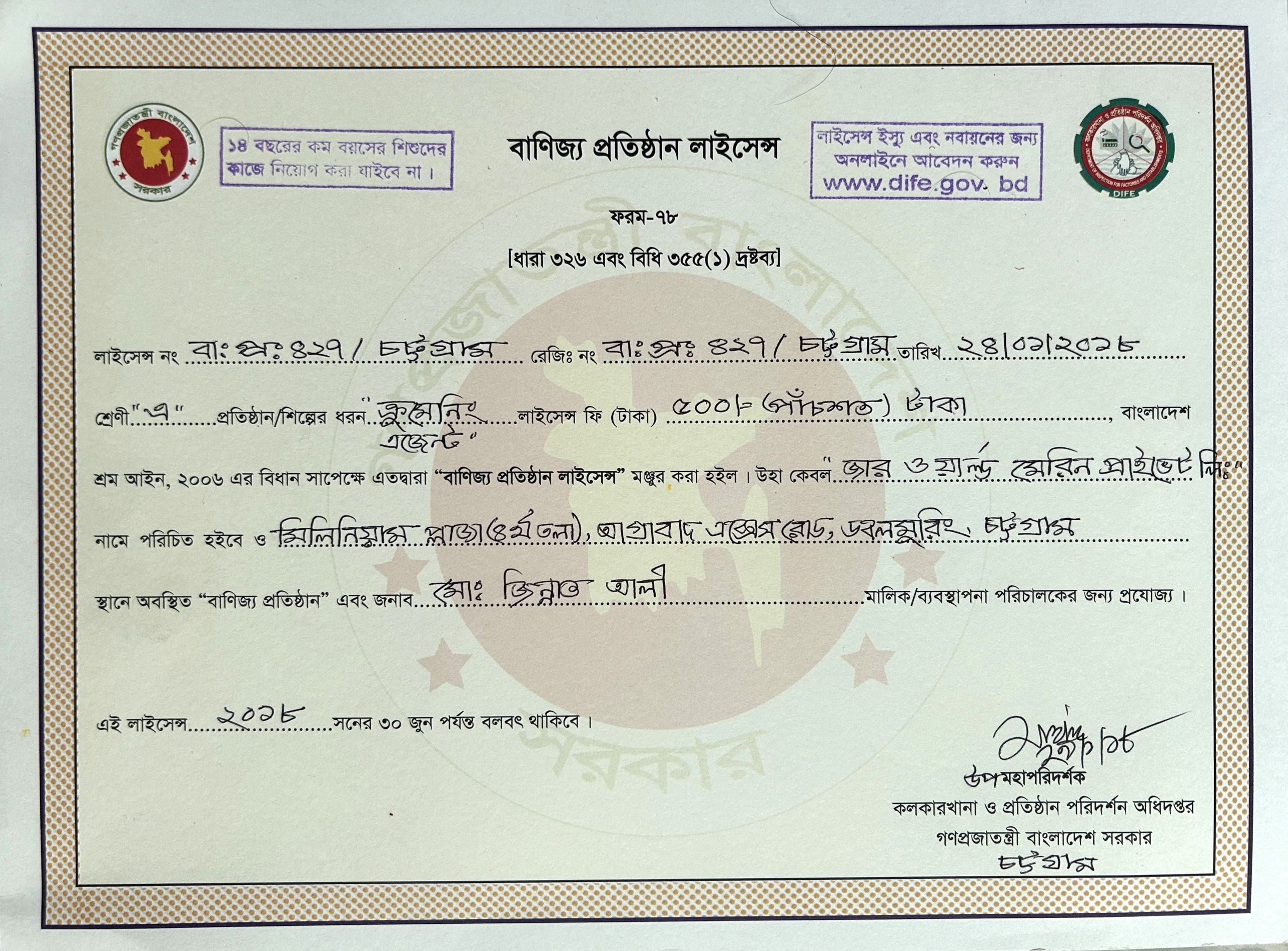
JAR GROUP builds on recognized certifications, compliance with flag-state and local regulations, and a strong physical presence in Chattogram and other hubs to support future operations at Bay Terminal from day one.
Crew, Technical Support & Marine Services
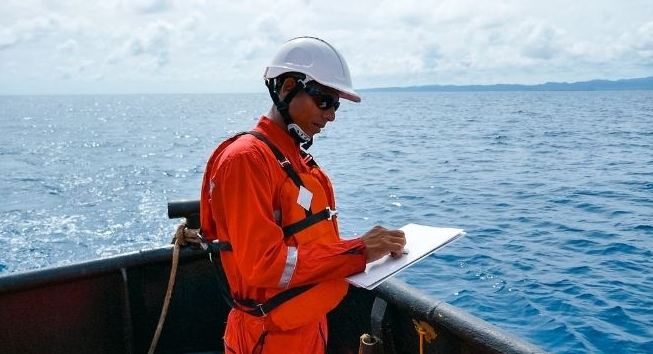


Through JAR World Marine and associated entities, JAR GROUP offers crewing, technical and documentation support to owners and operators calling Bangladeshi ports, with a focus on safe, compliant and efficient operations in line with ISPS, MLC 2006 and STCW requirements.
Plan Ahead for Bay Terminal with JAR GROUP
Ship owners, charterers, NVOCCs and logistics providers looking at the future potential of Bay Terminal can start planning integrated solutions today — tying together existing operations at Chattogram, Mongla, Payra, Pangaon and other facilities under one coordinated JAR GROUP framework.
Visit JAR World Shipping Line📩 Email: bd@jarinfo.com
UNDERCONSTRUCTION
The Bay Terminal, the biggest expansion project in the Chattogram port’s history, made major progress as the World Bank’s board of executive directors approved a $650 million loan on Friday to finance the dredging of the access channel and construction of the breakwater.
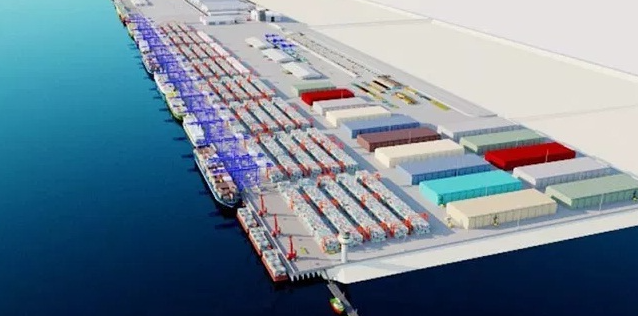
Once implemented, the terminal alone will be able to handle around 5 million TEUs of containers. The current port facilities have been handling 3.2 million TEUs in recent years.
The drawings and designs for the channel dredging and breakwater construction have been completed while a DPP has already been sent to Planning Ministry for approval, Sohail said, adding they would go for tender in August after getting the nod.
He hoped the dredging of the access channel would begin in October this year.
The government has planned to develop two container terminals, a multipurpose terminal and an oil and gas terminal under the Bay Terminal.
The new, modern Bay Terminal, to be operated by leading international terminal operators, will accommodate larger vessels, such as panamax vessels, and substantially decrease vessel turnaround time, potentially saving the economy about $1 million daily, the World Bank hoped.
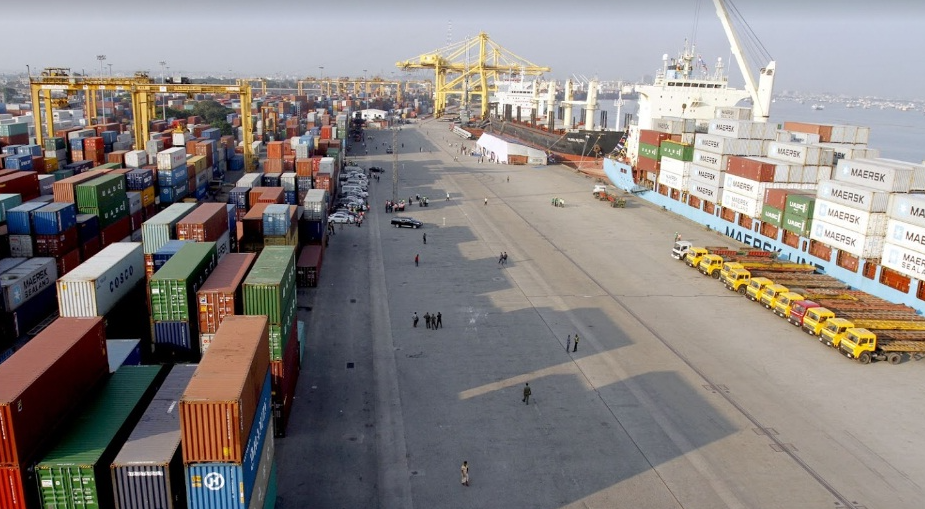
Currently, the Chattogram Port, the gateway for over 90 percent of Bangladesh’s international trade volume and 98 percent of its container traffic, can only receive small feeder vessels during the limited hours of the day.
“Bangladesh’s international trade heavily relies on Chittagong Port, which faces significant capacity constraints,” said Abdoulaye Seck, country director for Bangladesh and Bhutan at the World Bank.
“The Bay Terminal will be a game-changer. It will improve Bangladesh’s export competitiveness through enhanced port capacity and reduced transportation cost and time and opening new opportunities to key global markets.”
Moreover, the project will mobilise private investment for the development of container terminals.
The World Bank investment, along with government funding, will bolster investors’ confidence and contribute to mitigating risks associated with the overall development of the Bay Terminal.
Furthermore, the World Bank Group’s private-sector arm — the International Finance Corporation (IFC) — is considering investing in one of the proposed private sector-led terminals, according to the release.
“The Bay Terminal will contribute to modernising the country’s seaport infrastructure and improving its connectivity to regional and international markets,” said Hua Tan, senior transport specialist and team leader for the project at the World Bank.
In fiscal year 2023-24, the World Bank committed a record $3.4 billion in support to Bangladesh, including this project.
Once the project is completed, the port’s capacity will be enhanced six-fold by accommodating larger vessels round the clock.
At present, vessels carrying up to 1,800-2,000 containers can berth at the port’s existing jetties.
The Bay Terminal is a significant infrastructure project in Bangladesh, aimed at enhancing the country’s maritime capabilities. Here are some key details:
Overview
- Location: The Bay Terminal is located in the Anandangar/Sandwip channel, west of the Chattogram port and close to existing road and rail links to Dhaka.
- Purpose: The terminal is designed to handle a substantial portion of Bangladesh’s container traffic, reducing the load on the Chattogram port and improving overall port efficiency.
Development Plans
- World Bank Funding: The World Bank has approved a $650 million loan to support the development of the Bay Terminal. This funding will be used for constructing a 6 km climate-resilient breakwater, dredging the port basin, entrance, and access channels1.
- Capacity: The terminal is expected to handle 36% of Bangladesh’s container volumes, significantly increasing the country’s trade capacity.
- Modern Facilities: The terminal will include two container terminals, a multipurpose terminal, and an oil and gas terminal. It will accommodate larger vessels, such as Panamax vessels, reducing vessel turnaround time and potentially saving the economy about $1 million daily1.
Economic Impact
- Trade Competitiveness: The Bay Terminal will improve Bangladesh’s export competitiveness by enhancing port capacity and reducing transportation costs and time.
- Private Investment: The project aims to mobilize private investment for the development of container terminals, bolstering investor confidence and contributing to the overall economic growth.
- Job Creation: The development and operation of the terminal are expected to create numerous job opportunities in various sectors, including construction, logistics, shipping, and auxiliary services.
Environmental Considerations
- Climate-Resilient Infrastructure: The breakwater construction is designed to protect the harbor from waves, currents, and extreme weather, ensuring sustainable development.
- Eco-Friendly Practices: Efforts are being made to implement eco-friendly practices, such as using renewable energy sources and waste management systems.
Future Prospects
- Completion Timeline: The government aims to complete the construction and make the terminal operational by 2024.
- Regional Hub: The Bay Terminal is expected to become a major regional trade hub, enhancing connectivity to regional and international markets.
The Bay Terminal represents a significant step forward in Bangladesh’s efforts to modernize its seaport infrastructure and improve its global trade competitiveness. Its strategic location, combined with continuous development efforts, positions it as a key player in the country’s economic landscape.

SHIPPING AGENT : www.jarship.com