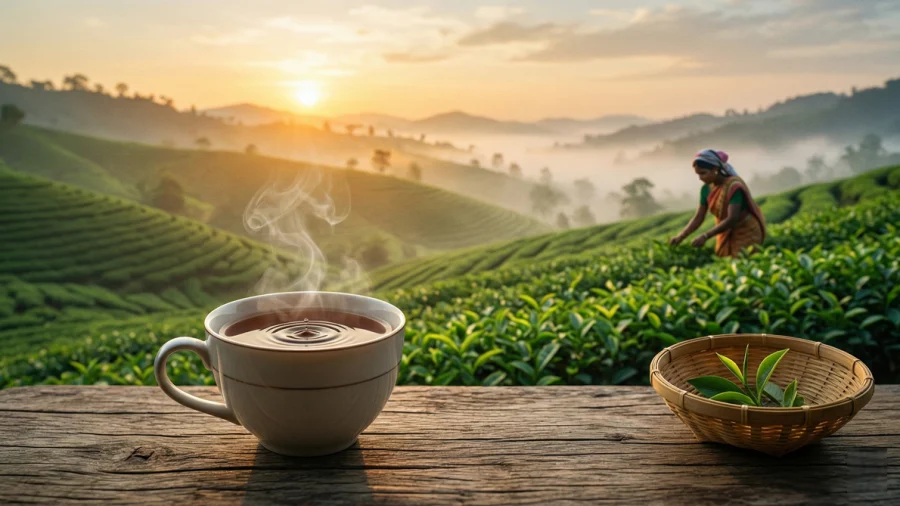
Bangladesh Tea: From Sylhet’s Hills to the World’s Teacups (2026 Insight)
Tea is more than a drink in Bangladesh—it is a daily ritual, a social language, and a rising export opportunity. From busy city footpaths to quiet village courtyards, a cup of cha connects people across class, culture, and generations.
A Heritage Rooted in Sylhet
Tea cultivation began in the mid-19th century when British planters identified the hilly terrain of Sylhet and Chattogram as ideal for plantations. Malnicherra in Sylhet, established in 1854, is widely recognised as the country’s first commercial tea garden and remains active today. Over time, Sreemangal earned the reputation of being the “tea capital of Bangladesh,” as estates expanded across Sylhet, Habiganj, Moulvibazar, Chattogram, and the Hill Tracts.
From Cash Crop to National Habit
Tea is one of Bangladesh’s major cash crops and has become part of everyday life—from morning breakfast to late-night adda. Roadside stalls, office canteens, intercity buses, and modern cafés all revolve around the same core experience: a hot, aromatic cup of tea. This strong domestic culture also means a large share of national production is consumed locally, creating a stable home market for tea gardens and brands.
Growing Production, Growing Potential
Bangladesh has steadily increased output in recent years through expanded cultivation areas and improved garden practices. Tea production reached around 103 million kilograms in 2023 and continued to edge upward in 2025, even amid global export challenges. Bangladesh Tea Board initiatives and industry investment aim to push production higher by opening new areas and modernising processing facilities.
A New Wave of Exports
After years of focusing mainly on the domestic market, exports have begun rising again. Tea exports in 2024 reportedly increased sharply in volume and earnings, supported by competitive pricing and demand from markets such as Pakistan, Afghanistan, Russia, the United States, and parts of Europe. These gains show Bangladesh has the capacity to grow—if it strengthens quality positioning and long-term buyer confidence.
Challenges Behind the Cup
The journey of Bangladeshi tea is not without obstacles. Fluctuating global prices, changing climate patterns, labour realities, and rising production costs pressure garden owners and workers alike. Export price-per-kilogram trends also signal a key lesson: Bangladesh must shift from only volume growth to higher-value growth through quality, branding, and differentiated products.
Crafting a Stronger Brand for Bangladeshi Tea
To unlock its full potential globally, Bangladesh needs a clear identity in the world tea market. Promoting its terroir—lush low-elevation gardens, rich soils, and distinct flavour character—can help Bangladesh stand out alongside giants like India and Sri Lanka. Investment in premium packaging, certifications, speciality teas, and storytelling around estates and regions will be crucial to positioning Bangladeshi tea as a trusted choice worldwide.
Bangladesh tea has already won the hearts of its own people. With the right focus on quality, innovation, and brand-building, the same cup of cha can carry the country’s name even more proudly across the world’s teacups.