Introduction
The global shipping industry depends on efficient ship recycling systems to retire aging vessels and recover valuable materials.
Among the major ship recycling nations, Bangladesh has established itself as one of the most important centers for ship dismantling, ship breaking, and marine asset recovery.
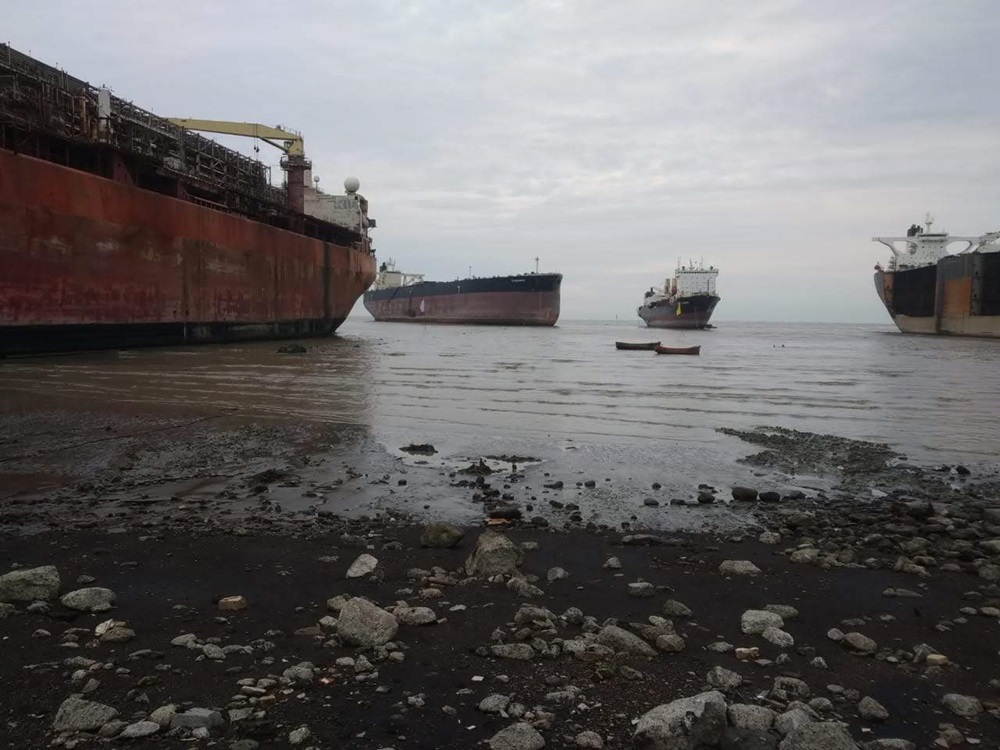
Located primarily along the coast of Chattogram (formerly Chittagong), Bangladesh’s ship recycling yards process hundreds of ocean-going vessels over the years.
These ships are dismantled carefully to recover steel, machinery, engines, spare parts, electrical equipment, and numerous other reusable components.
Understanding Ship Breaking and Ship Recycling
Ship breaking, also known as ship dismantling, ship scrapping, or ship recycling, refers to the process of taking apart old vessels after they reach the end of their operational life.
Instead of leaving ships abandoned or sunk, recycling allows the industry to recover valuable materials and reuse components across different sectors.
Modern ship recycling involves a structured process including:
- Beaching or docking the vessel at a recycling yard
- Removal of hazardous materials
- Dismantling of machinery and marine equipment
- Cutting of ship structures for steel recovery
- Sorting reusable components and scrap materials
Why Bangladesh Became a Global Ship Recycling Hub
Bangladesh’s rise in the ship recycling sector is closely tied to its steel demand and strategic coastal location.
The country imports large numbers of end-of-life vessels, which are dismantled to recover steel used by local construction and manufacturing industries.
Several factors contribute to Bangladesh’s importance in ship recycling:
- High demand for recycled steel in the domestic market
- Long coastal areas suitable for ship dismantling yards
- Experienced labor force
- Availability of supporting maritime industries
Because of these advantages, Bangladesh has often been ranked among the world’s top ship recycling nations alongside India, Pakistan, and Turkey.
Economic Importance
Ship recycling plays a significant role in Bangladesh’s industrial economy.
The recovered steel from dismantled vessels supplies a substantial portion of the country’s raw material needs for the steel industry.
In addition, thousands of jobs are created directly and indirectly through ship recycling activities, including:
- Ship dismantling workers
- Steel re-rolling mills
- Marine equipment traders
- Machinery refurbishing workshops
- Transport and logistics services
The industry also supports a wide network of businesses dealing with marine spare parts, industrial equipment, generators, compressors, pumps, navigation instruments, and other recovered ship components.
Global Demand for Marine Spare Parts
Many parts removed from dismantled ships remain functional and valuable.
These include engines, turbochargers, hydraulic pumps, navigation equipment, anchors, chains, valves, and electrical systems.
After inspection and refurbishment, these components are exported to ship operators, repair yards, marine suppliers, and industrial buyers around the world.
Bangladesh has therefore become an important sourcing location for:
- Reconditioned marine machinery
- Ship spare parts
- Navigation and electronic equipment
- Industrial pumps and compressors
- Deck machinery and anchors
Environmental and Safety Considerations
In recent years, the ship recycling industry has been undergoing modernization and regulatory improvement.
Bangladesh has introduced new policies and international compliance measures to improve environmental protection and worker safety.
International frameworks such as the Hong Kong International Convention for the Safe and Environmentally Sound Recycling of Ships encourage responsible dismantling practices worldwide.
Many ship recycling yards in Bangladesh are now investing in better infrastructure, safety training, and environmentally responsible operations to meet global expectations.
Future of Ship Recycling
The future of ship recycling will depend on technological advancement, environmental compliance, and responsible resource management.
As the global shipping fleet continues to age, the need for safe and efficient ship recycling will remain essential.
Bangladesh, with its long experience and expanding regulatory framework, is expected to remain a key player in the global ship recycling industry.
Conclusion
Ship breaking and recycling are vital components of the maritime industry’s life cycle.
Through careful dismantling and recovery processes, old ships are transformed into valuable resources that support construction, manufacturing, and marine industries worldwide.
Bangladesh’s ship recycling sector continues to contribute to the global supply chain of steel and marine equipment while supporting thousands of livelihoods and industrial activities.
As the industry evolves with improved environmental and safety standards, Bangladesh is positioned to strengthen its reputation as one of the world’s leading ship recycling hubs.