
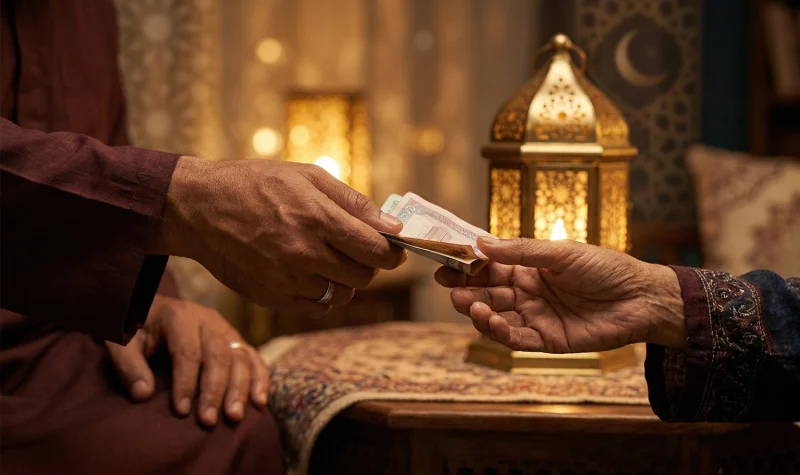
Zakat: Purification, Responsibility, and Social Justice in Islam
Zakat literally means purification and growth. Through Zakat, wealth is purified, the heart is softened from greed, and blessings descend upon what a believer owns. It is not only a financial duty, but a spiritual test of sincerity, compassion, and obedience.
Zakat is one of the five pillars of Islam. Just as Salah and Sawm hold central importance in a Muslim’s life, Zakat also stands as a foundational act of worship. Yet in many societies, Muslims are often seen to maintain prayer and fasting while neglecting the obligation of Zakat. This imbalance is deeply serious, because both the Qur’an and Hadith warn strongly against withholding it.
— Surah At-Tawbah: 34–35
The Qur’anic warning is not symbolic in a light sense. It reminds believers that wealth is a trust from Allah, not a permanent possession to be locked away without responsibility. The Prophet Muhammad (peace be upon him) also warned that wealth for which Zakat is not paid will become a source of torment on the Day of Judgment.
— Sahih Bukhari
Who Must Pay Zakat
Zakat becomes obligatory on every adult, sane Muslim man or woman who owns wealth above the Nisab threshold, after deducting debts and essential living needs. This wealth must remain in their possession for one full lunar year.
The primary categories of Zakatable wealth include gold, silver, money, and business merchandise. The classical Nisab is measured by the value of 7.5 tolas of gold or 52.5 tolas of silver. If a person’s savings, business goods, or combined qualifying assets reach that threshold, Zakat becomes due.
How Zakat Is Calculated
The standard rate of Zakat is one-fortieth of qualifying wealth, or 2.5 percent. This means Zakat should be calculated carefully, not guessed casually. Some people distribute clothes or random amounts with the intention of Zakat, but proper discharge requires an accurate reckoning of eligible assets.
The Islamic lunar year is used for determining when Zakat becomes due. While it may be paid at any time during the year, many Muslims choose Ramadan because of its spiritual significance and the multiplied reward of righteous deeds in this blessed month.
Who Can Receive Zakat
The Qur’an identifies specific categories of eligible recipients, including the poor, the needy, those in debt, travelers in difficulty, and others defined in Surah At-Tawbah. In practical terms, poor relatives, struggling neighbors, and needy students of Islamic knowledge are often among the most deserving.
However, Zakat cannot be given to one’s parents, grandparents, children, grandchildren, spouse, or wealthy individuals. It must transfer full ownership to the recipient, which is why many scholars do not permit using Zakat funds directly for public construction projects without making an eligible person the owner.
Why Zakat Feels Even More Urgent in Ramadan
Ramadan softens hearts, reminds believers of hunger and human need, and reconnects the wealthy with the struggles of the poor. That is why many Muslims choose this month to review their wealth honestly and fulfill their Zakat with greater awareness.
In Ramadan, Zakat is not just a payment. It becomes a moment of purification, gratitude, and social mercy—helping transform worship into visible relief for those who need support most.
Editorial Analysis
Zakat is far more than personal charity. It is one of Islam’s clearest systems of social justice and economic balance.
- Spiritual purification: It cleanses attachment to wealth and builds humility before Allah.
- Economic circulation: It moves idle wealth toward those facing hardship.
- Community stability: It strengthens families, neighborhoods, and vulnerable households.
- Moral accountability: It reminds the wealthy that prosperity is a trust, not absolute ownership.
- Ramadan relevance: The month of mercy makes the social meaning of Zakat more visible and more urgent.
In the end, Zakat is not merely a legal calculation. It is a sacred bridge between worship and humanity. When fulfilled sincerely, it purifies wealth, protects society, and draws the believer closer to Allah through service, justice, and compassion.
JAR TEA — Every Cup Has a Story
In every season of reflection, warmth matters. JAR TEA brings comfort, care, and meaningful moments to the table—because some of life’s deepest conversations begin with a shared cup of tea.
Visit JAR TEAজাকাত: পবিত্রতা, দায়িত্ব ও সামাজিক ন্যায়বিচার
জাকাত অর্থ পবিত্রতা ও প্রবৃদ্ধি। জাকাত আদায়ের মাধ্যমে মানুষের সম্পদ পবিত্র হয়, অন্তর লোভ ও কৃপণতা থেকে মুক্ত হয়, এবং আল্লাহ তায়ালা সেই সম্পদে বরকত দান করেন। এটি শুধু একটি আর্থিক দায়িত্ব নয়; বরং ঈমান, মানবতা ও আনুগত্যের একটি গভীর পরীক্ষা।
জাকাত ইসলামের পাঁচটি স্তম্ভের একটি। নামাজ ও রোজার মতোই এর গুরুত্ব অপরিসীম। কিন্তু বাস্তবে দেখা যায়, অনেক মুসলমান নামাজ-রোজায় যতটা যত্নবান, জাকাতের ক্ষেত্রে ততটা সচেতন নন। অথচ কোরআন ও হাদিসে জাকাত অনাদায়ের ভয়াবহ পরিণতি অত্যন্ত কঠোর ভাষায় বর্ণিত হয়েছে।
— সুরা তাওবা: ৩৪–৩৫
কোরআনের এই সতর্কবার্তা আমাদের স্মরণ করিয়ে দেয় যে সম্পদ মানুষের একক মালিকানা নয়; এটি আল্লাহর অর্পিত আমানত। মানুষ যদি সেই সম্পদের হক আদায় না করে, তবে সেই সম্পদই তার বিরুদ্ধে সাক্ষ্য দেবে। রাসুলুল্লাহ (সা.)-ও জাকাত অনাদায়ের ভয়াবহ আখিরাতি পরিণতির কথা স্পষ্টভাবে বর্ণনা করেছেন।
— সহিহ বুখারি
কার ওপর জাকাত ফরজ
প্রাপ্তবয়স্ক, বোধশক্তিসম্পন্ন মুসলিম নর-নারী যদি ঋণ ও নিত্যপ্রয়োজনীয় খরচ বাদ দিয়ে নেসাব পরিমাণ সম্পদের মালিক হয় এবং সেই সম্পদের ওপর এক পূর্ণ চন্দ্র বছর অতিবাহিত হয়, তাহলে তার ওপর জাকাত ফরজ হয়।
জাকাতযোগ্য সম্পদের মধ্যে রয়েছে স্বর্ণ, রৌপ্য, নগদ অর্থ এবং ব্যবসায়িক মাল। নেসাবের পরিমাণ হচ্ছে সাড়ে সাত তোলা স্বর্ণ বা সাড়ে বায়ান্ন তোলা রৌপ্যের সমমূল্য সম্পদ। কারও কাছে যদি এ পরিমাণ নগদ অর্থ, ব্যবসার মাল, অথবা মিশ্র সম্পদ থাকে, তাহলে তার ওপর জাকাত আবশ্যক হবে।
জাকাত আদায়ের হিসাব
জাকাতের হার হলো চল্লিশ ভাগের এক ভাগ, অর্থাৎ ২.৫ শতাংশ। তাই অনুমানভিত্তিক কিছু টাকা বা পোশাক বিতরণ করলেই জাকাত আদায় হয়ে যায় না। সম্পদের সঠিক হিসাব করে, যোগ্য সম্পদের ওপর নির্ভুলভাবে জাকাত নির্ধারণ করা জরুরি।
জাকাতের বছর গণনায় চন্দ্রবর্ষ বিবেচনা করা হয়। বছরের যেকোনো সময় জাকাত আদায় করা গেলেও অনেকেই রমজান মাসে জাকাত দিতে পছন্দ করেন, কারণ এই মাস ইবাদতের মাস, রহমতের মাস, এবং নেক আমলের প্রতিদান বহুগুণ বাড়িয়ে দেওয়া হয়।
জাকাত কাদের দেওয়া যাবে
কোরআনে জাকাতের হকদারদের কয়েকটি নির্দিষ্ট শ্রেণির কথা বলা হয়েছে—ফকির, মিসকিন, ঋণগ্রস্ত, মুসাফির, এবং আরও কিছু নির্ধারিত শ্রেণি। বাস্তবে গরিব আত্মীয়স্বজন, অভাবী প্রতিবেশী, এবং দ্বীনি শিক্ষায় নিয়োজিত দরিদ্র ছাত্ররা জাকাত পাওয়ার ক্ষেত্রে অগ্রাধিকার পেতে পারে।
তবে পিতা-মাতা, দাদা-দাদি, সন্তান, নাতি-নাতনি, স্বামী বা স্ত্রী, ধনী ব্যক্তি—এদের জাকাত দেওয়া যাবে না। জাকাতের সম্পদ এমনভাবে দিতে হবে যাতে হকদার ব্যক্তি সেই অর্থের পূর্ণ মালিক হয়। এ কারণেই অনেক আলেম সরাসরি কোনো স্থাপনা বা সাধারণ প্রকল্পে জাকাত খরচকে বৈধ মনে করেন না, যদি না হকদার ব্যক্তির মালিকানা প্রতিষ্ঠিত হয়।
রমজানে জাকাত কেন আরও গভীর অর্থ বহন করে
রমজান মানুষের হৃদয় নরম করে, ক্ষুধা ও অভাবের অনুভূতি জাগিয়ে তোলে, এবং সমাজের দুর্বল মানুষের প্রতি দায়িত্ববোধকে জাগ্রত করে। তাই অনেক মুসলমান এই মাসে নিজেদের সম্পদের হিসাব নতুনভাবে পর্যালোচনা করেন এবং জাকাত আদায়ে আরও যত্নবান হন।
রমজানে জাকাত শুধু আর্থিক দায় পরিশোধ নয়; এটি আত্মশুদ্ধি, কৃতজ্ঞতা এবং সামাজিক দয়ার এক বাস্তব প্রকাশ—যার মাধ্যমে ইবাদত মানুষের জীবনে দৃশ্যমান উপকারে পরিণত হয়।
সম্পাদকীয় বিশ্লেষণ
জাকাত কেবল ব্যক্তিগত দান নয়; এটি ইসলামের সামাজিক ন্যায়বিচার ও অর্থনৈতিক ভারসাম্যের একটি শক্তিশালী ব্যবস্থা।
- আত্মশুদ্ধি: সম্পদের প্রতি অতিরিক্ত আসক্তি কমায় এবং আল্লাহর সামনে বিনয় সৃষ্টি করে।
- অর্থের সঞ্চালন: স্থবির সম্পদকে অভাবী মানুষের কাছে পৌঁছে দেয়।
- সামাজিক স্থিতি: পরিবার, প্রতিবেশী ও দুর্বল জনগোষ্ঠীর সুরক্ষায় ভূমিকা রাখে।
- নৈতিক জবাবদিহি: ধনীদের মনে করিয়ে দেয়—সমৃদ্ধি একক অধিকার নয়, বরং আমানত।
- রমজানের তাৎপর্য: রহমতের মাসে জাকাতের সামাজিক অর্থ আরও স্পষ্ট ও জরুরি হয়ে ওঠে।
শেষ পর্যন্ত, জাকাত শুধুমাত্র একটি হিসাব নয়; এটি ইবাদত ও মানবতার মধ্যে একটি পবিত্র সেতুবন্ধন। আন্তরিকতার সঙ্গে জাকাত আদায় করলে সম্পদ পবিত্র হয়, সমাজ সুরক্ষিত হয়, এবং মানুষ সেবা, ন্যায় ও সহমর্মিতার মাধ্যমে আল্লাহর আরও নিকটবর্তী হয়।
JAR TEA — প্রতিটি কাপে একটি গল্প
ভাবনা, উষ্ণতা আর আপন মুহূর্তের সঙ্গে চায়ের সম্পর্ক চিরন্তন। JAR TEA বিশ্বাস করে, জীবনের অনেক গভীর আলাপ শুরু হয় এক কাপ চাকে কেন্দ্র করে।
JAR TEA ভিজিট করুন